
Over one million Texans rely on private water wells withdrawing groundwater from major regional aquifers—including the Gulf Coast Aquifer, Jasper, Evangeline, and Chicot formations. While groundwater is naturally filtered through sand and gravel strata, regional geological characteristics and intensive agricultural activities introduce invisible toxic contaminants that only certified laboratory testing can identify.
1. Primary Contaminants of Concern in Texas Wells
Secured Inspections partners with NELAP-accredited environmental testing laboratories to test drinking water against EPA National Primary Drinking Water Regulations:
- Naturally Occurring Arsenic: Volcanic ash and mineral deposits in Texas aquifer formations leach inorganic arsenic into groundwater. Prolonged exposure above the 10 ppb (0.010 mg/L) EPA limit increases risks of cancer, cardiovascular disease, and skin lesions.
- Nitrates from Agricultural Runoff: High nitrate concentrations (>10 mg/L) stem from fertilizer runoff and malfunctioning septic spray fields. Nitrates pose immediate health threats to infants, causing "blue baby syndrome" (methemoglobinemia).
- Lead and Copper: Usually leached from vintage household plumbing solder, brass fixtures, and lead service lines when well water is acidic (pH < 6.5).
- Total Coliform & E. Coli Bacteria: Indicates that surface runoff or septic wastewater has entered the well casing, carrying dangerous pathogens.
2. Proper Sterile Water Sampling Protocol
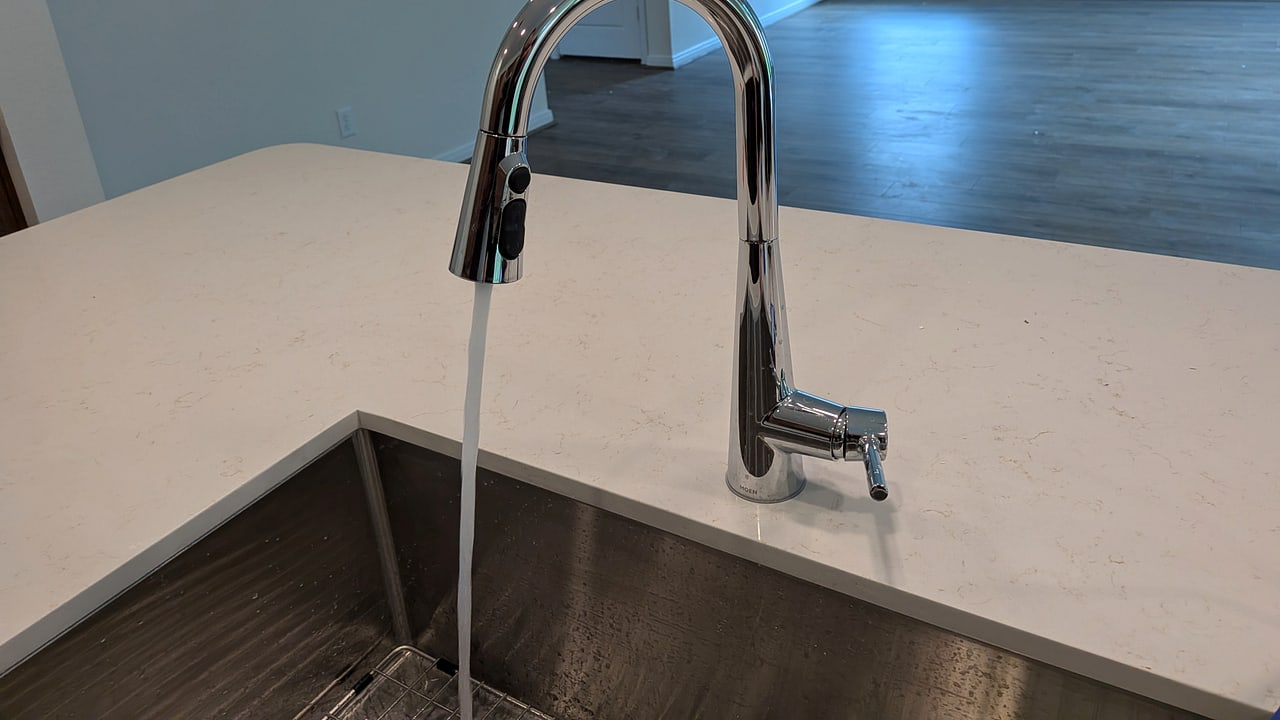
Accurate water testing demands strict collection protocols. Samples must be pulled directly from the wellhead or pressure tank tap prior to any water softener or filtration system. The faucet is sterilized using open flame or alcohol, flushed for 5 minutes at full volume, and collected into sterile preservative containers maintained at 4°C during transport to prevent bacterial die-off.
Forensic Diagnostic Equipment & Quality Assurance Protocols
Specialized environmental and forensic property diagnostics require calibrated laboratory-grade instrumentation. In our regional assessments across Houston, Galveston, and Brazoria, Secured Inspections follows strict chain-of-custody and quality assurance standards:
- Calibrated Instrumentation: Utilizing high-resolution FLIR® thermal imaging cameras, Tramex non-invasive impedance moisture meters, and digital pin probes verified against standard calibration blocks prior to field deployment.
- AIHA and NELAP Accredited Laboratories: All biological spore trap cassettes, lead-based paint dust wipe samples, and drinking water collection vials are shipped under strict chain-of-custody protocols to third-party accredited laboratories for independent microscopic and chemical analysis.
- Environmental Baseline Controls: Pulling duplicate indoor and outdoor control samples under identical temperature, barometric pressure, and humidity conditions to eliminate false positives and establish true indoor amplification.
- Texas Statutory Regulatory Compliance: Operating under active licenses issued by the Texas Department of Licensing and Regulation (TDLR Mold Assessment Consultant #1974) and Texas Department of Agriculture Structural Pest Control Service (SPCS #089201).
Whether diagnosing hidden subterranean cast iron pipe failures, toxic fungal contamination, or unbonded gas piping hazards, our laboratory-backed findings provide unambiguous documentation to protect occupant health and real estate equity.
Need an Objective Forensic Property Inspection?
Residential Pre-Purchase, ASTM E2018 Commercial PCAs, Termite WDI, Sewer Camera Scopes, and FLIR Thermal Infrared diagnostics across Greater Houston, Galveston, and Brazoria.
