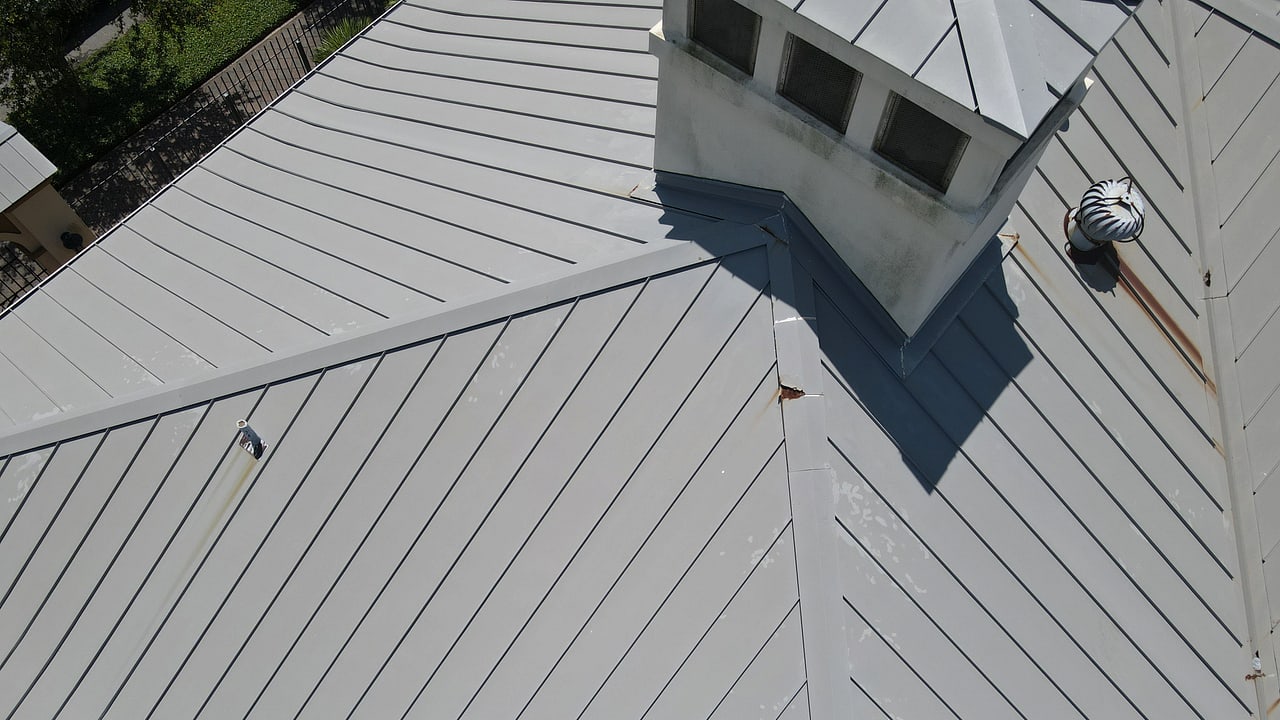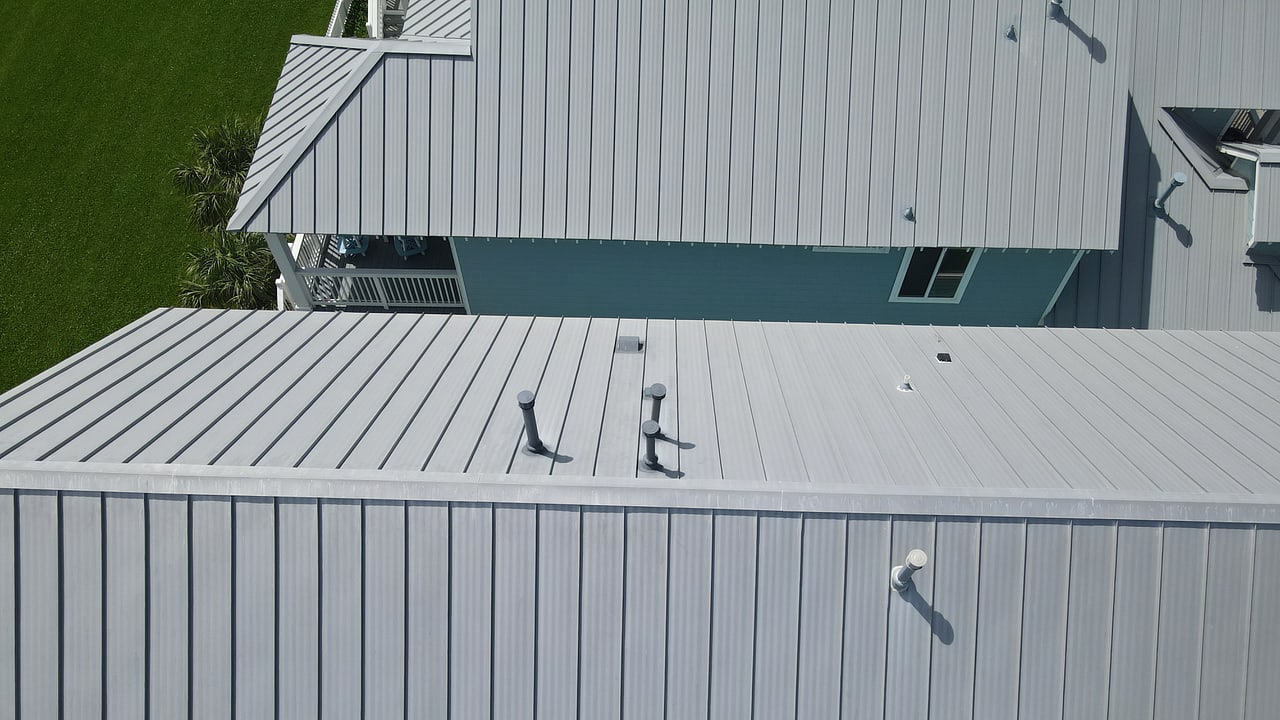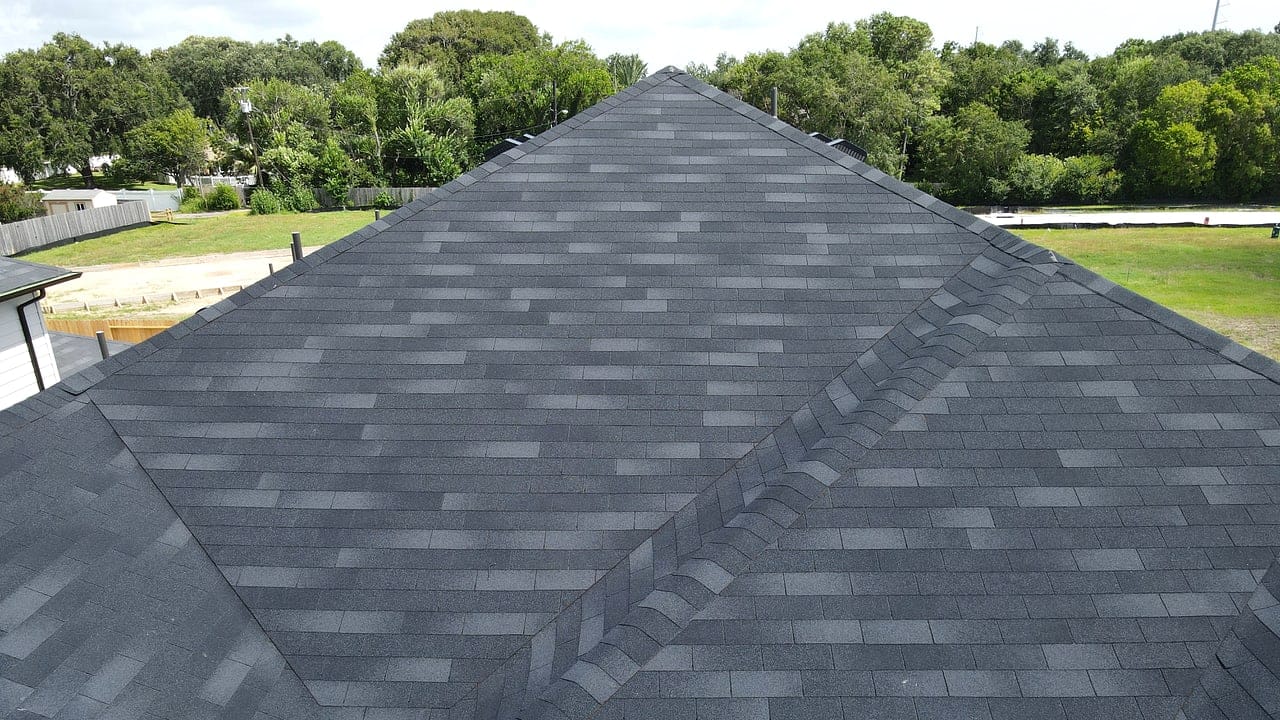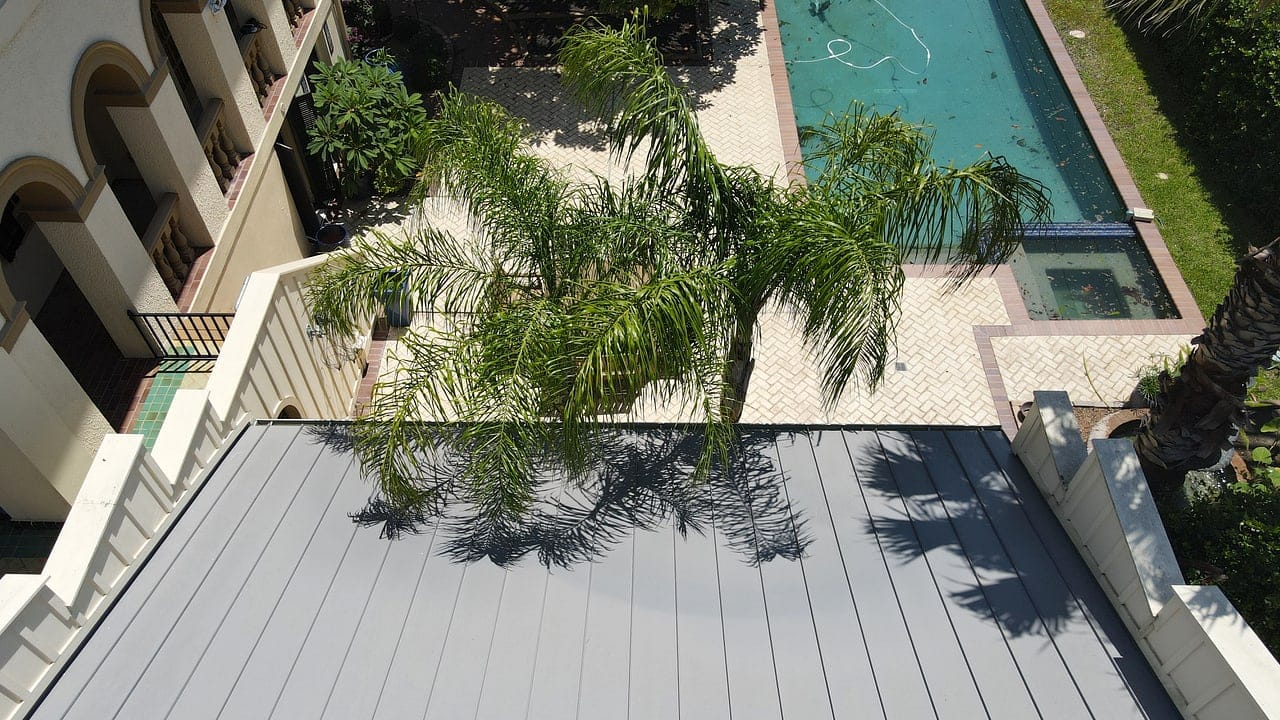
Commercial Flat Roof Forensic Evaluations: TPO, EPDM, and Built-Up Systems
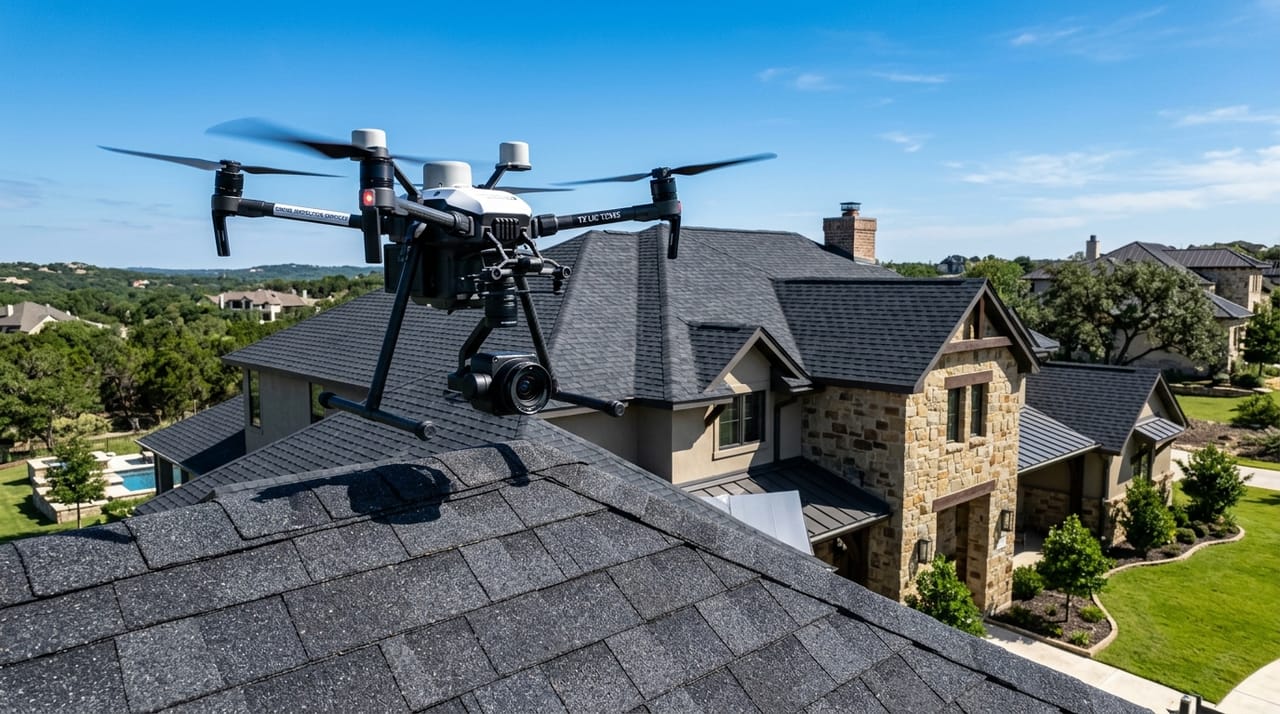
A deep-dive technical engineering guide on inspecting commercial low-slope roof membranes under ASTM E2018 standards across Texas Gulf Coast weather extremes.

Objective building science, 5-day Option Period negotiation tactics, ASTM E2018 commercial due diligence, and laboratory forensics authored by Master Inspector Mack (TREC #23070).
We couldn't find any articles matching your search or category filters. Try searching for broader terms like "foundation", "electrical", "roof", or "option period".

A deep-dive technical engineering guide on inspecting commercial low-slope roof membranes under ASTM E2018 standards across Texas Gulf Coast weather extremes.

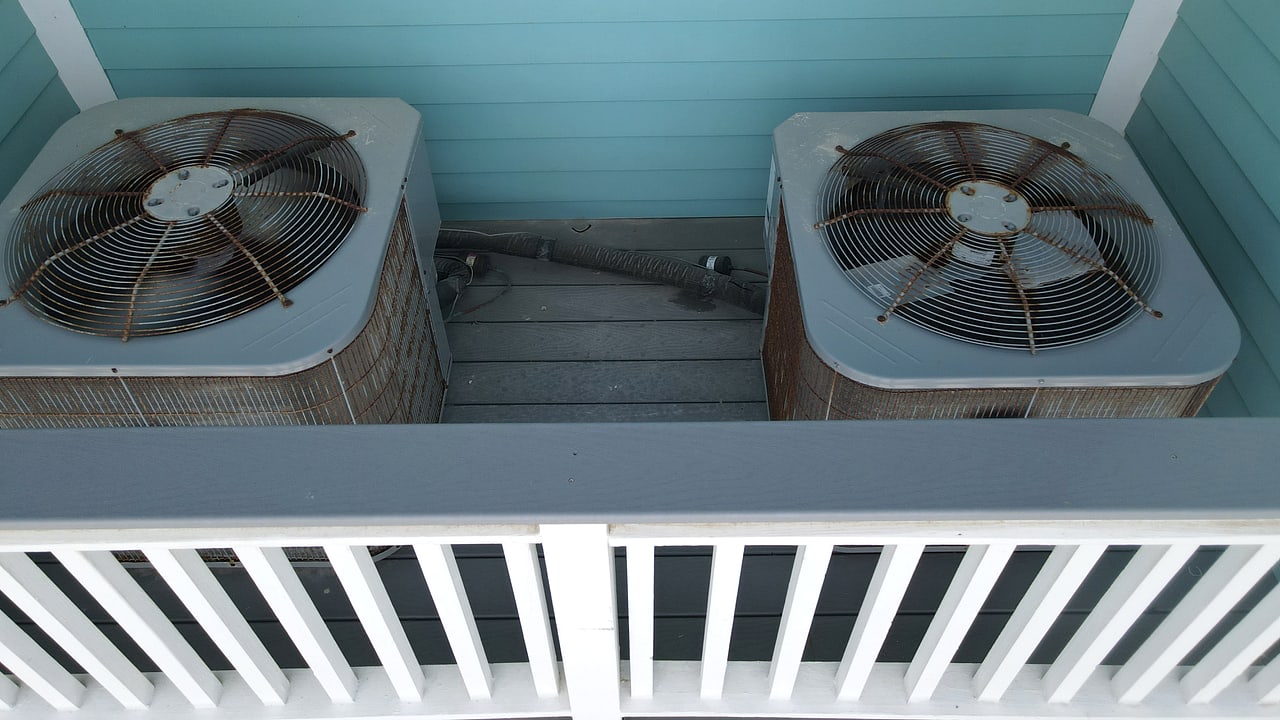
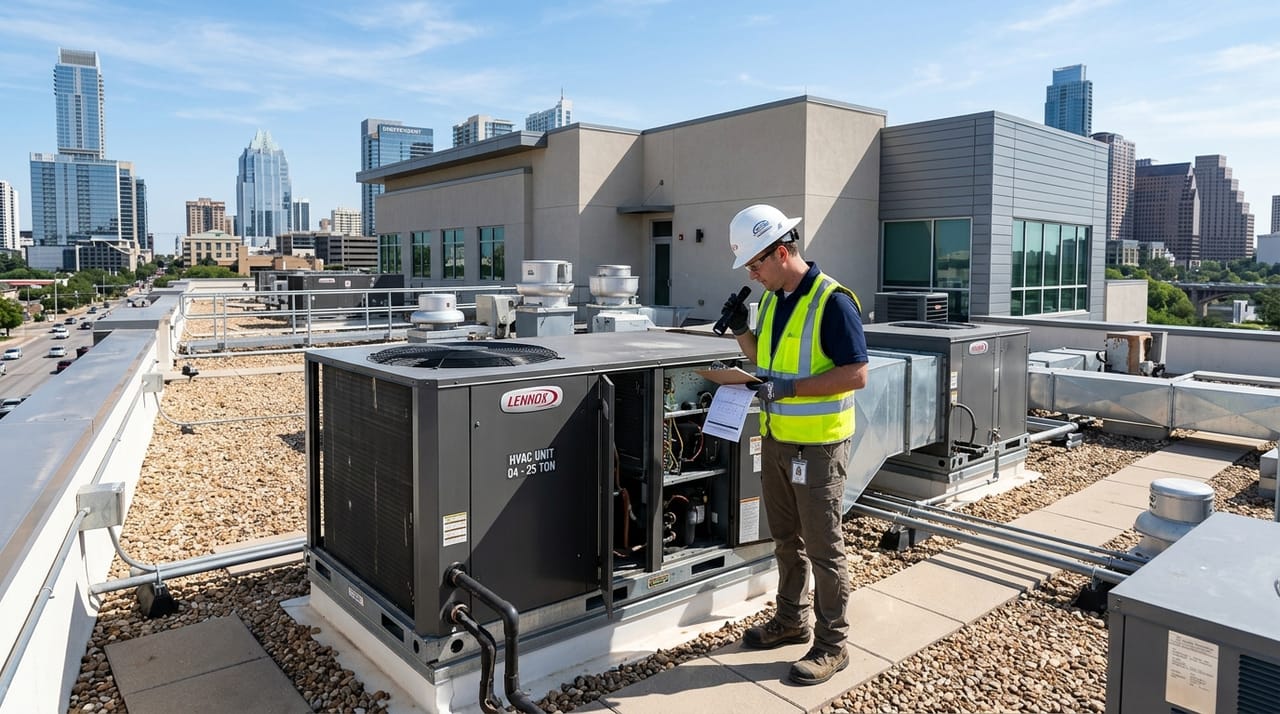
Forensic evaluation protocols for packaged rooftop units (RTUs), economizers, multi-stage compressors, and 10-year CapEx reserve schedules in commercial Texas buildings.

Navigating federal ADA Title III accessibility mandates and Texas Department of Licensing and Regulation (TDLR) Architectural Barriers requirements in commercial due diligence.

How pre-lease baseline inspections and exit condition surveys protect commercial property owners and corporate tenants under Triple Net (NNN) lease contracts.

Technical evaluation of industrial warehouse concrete slabs, F-numbers (FF/FL), joint spalling, subbase moisture, and racking anchor bolt integrity.

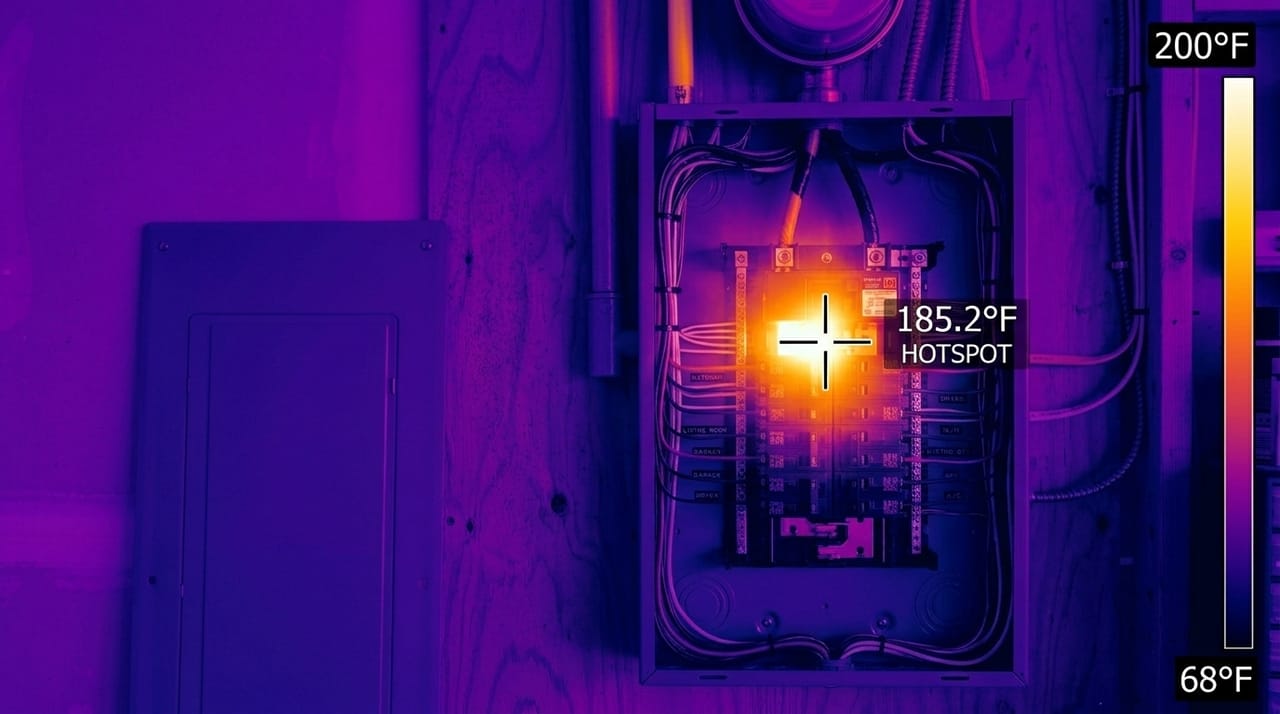
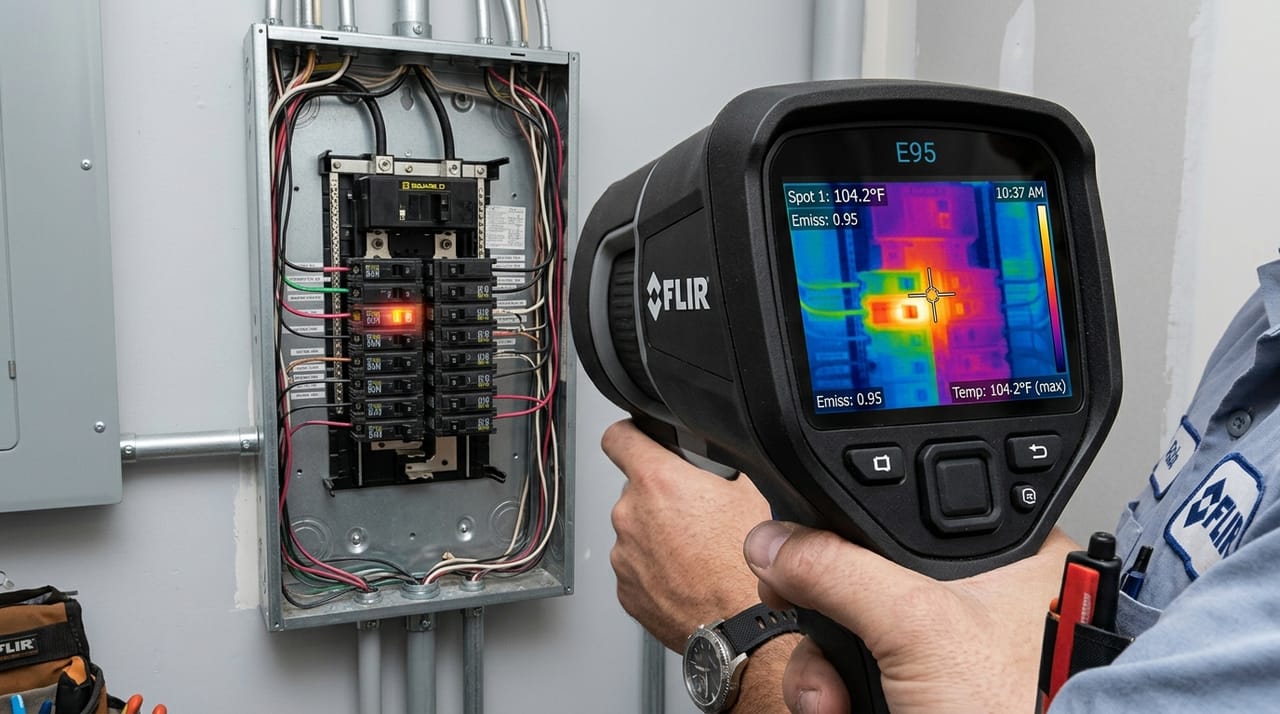
Comprehensive inspection protocols for commercial 480V/277V 3-phase switchgear, panelboards, motor control centers (MCC), and NFPA 70B infrared thermal scanning.

Forensic property condition assessment of multi-family apartment plumbing systems, central hydronic heating, chilled water loops, and aging cast iron sanitary stacks.

Essential inspection guidelines for commercial fire sprinkler systems, alarm panels, emergency egress lighting, panic hardware, and NFPA compliance.

Forensic evaluation of retail shopping center building envelopes, structural canopy tie-backs, parapet coping flashings, and hidden water intrusion.

Understanding the crucial differences and powerful synergies between ASTM E1527 Phase I Environmental Site Assessments and ASTM E2018 Property Condition Assessments.

How commercial real estate investors utilize ASTM E2018 Table 1 Capital Reserve Schedules, Remaining Useful Life (RUL), and inflation adjustments to forecast returns.

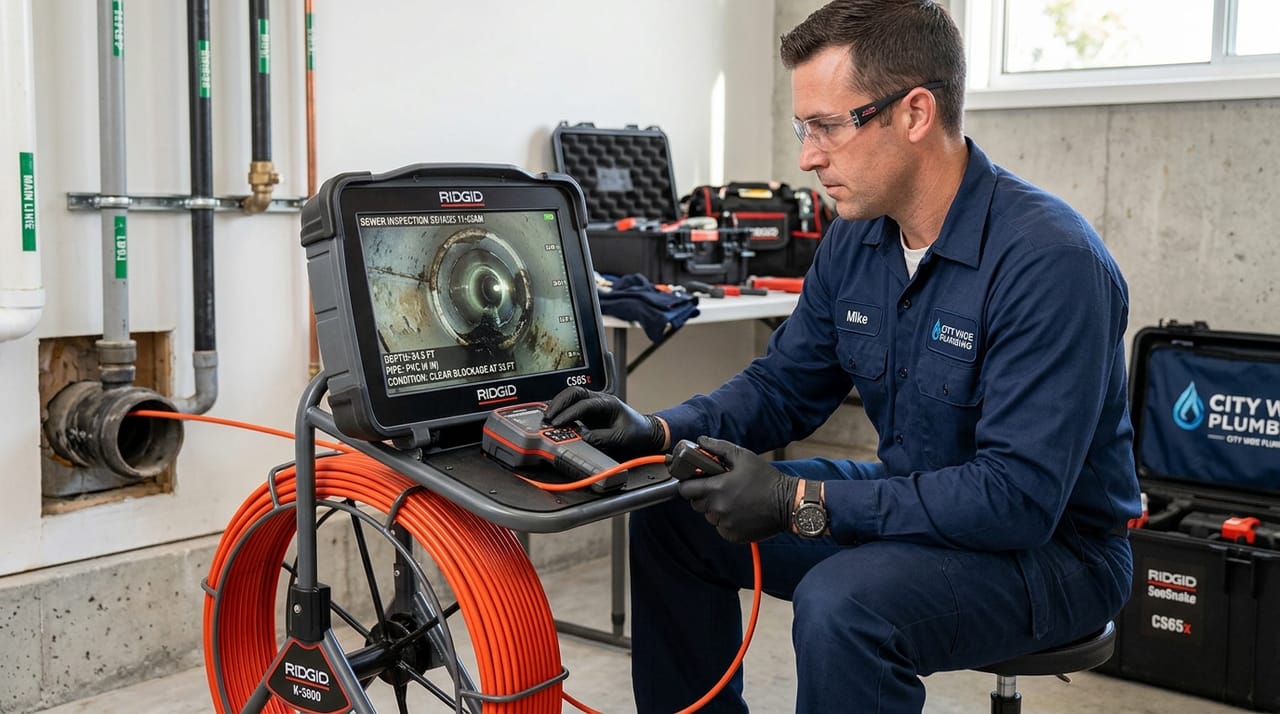
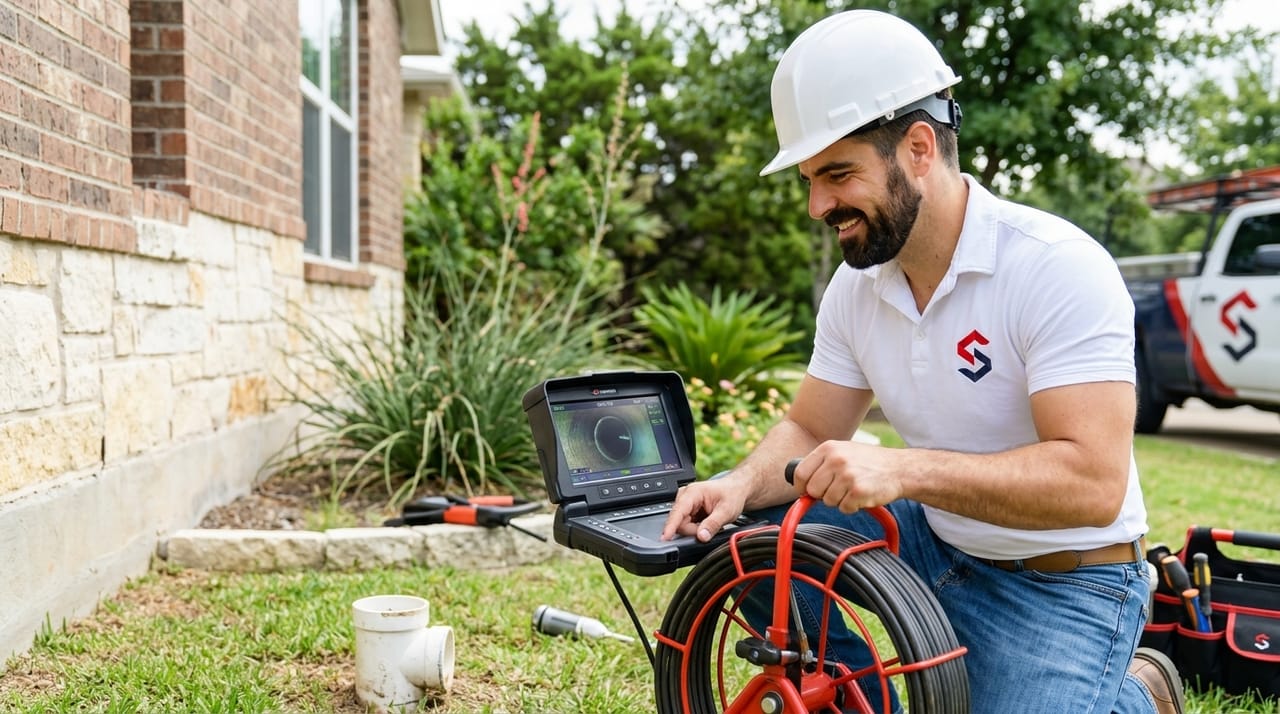
A comprehensive forensic guide on cast iron sewer decay, hydrogen sulfide channelling, pipe bellies, and why standard home inspections miss underground collapses.

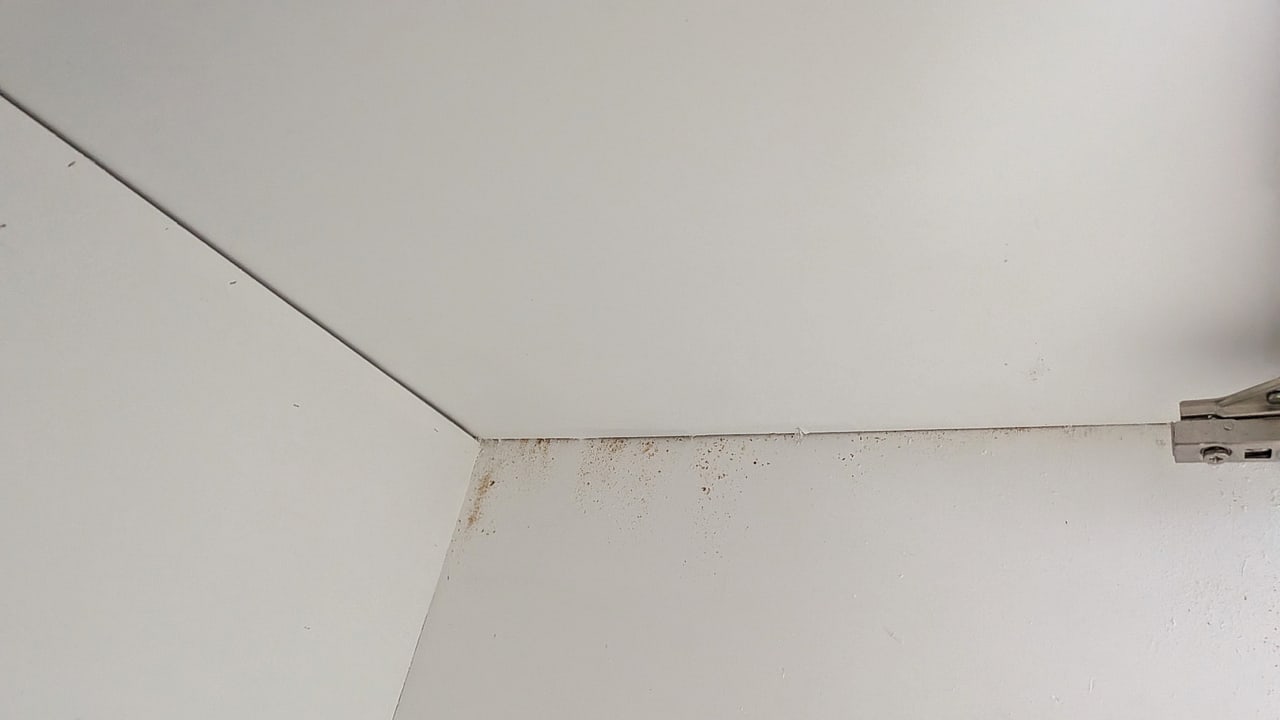
How to read third-party accredited mold lab analysis, understand spore trap counts per cubic meter, and evaluate TDLR mold remediation protocols in Texas.

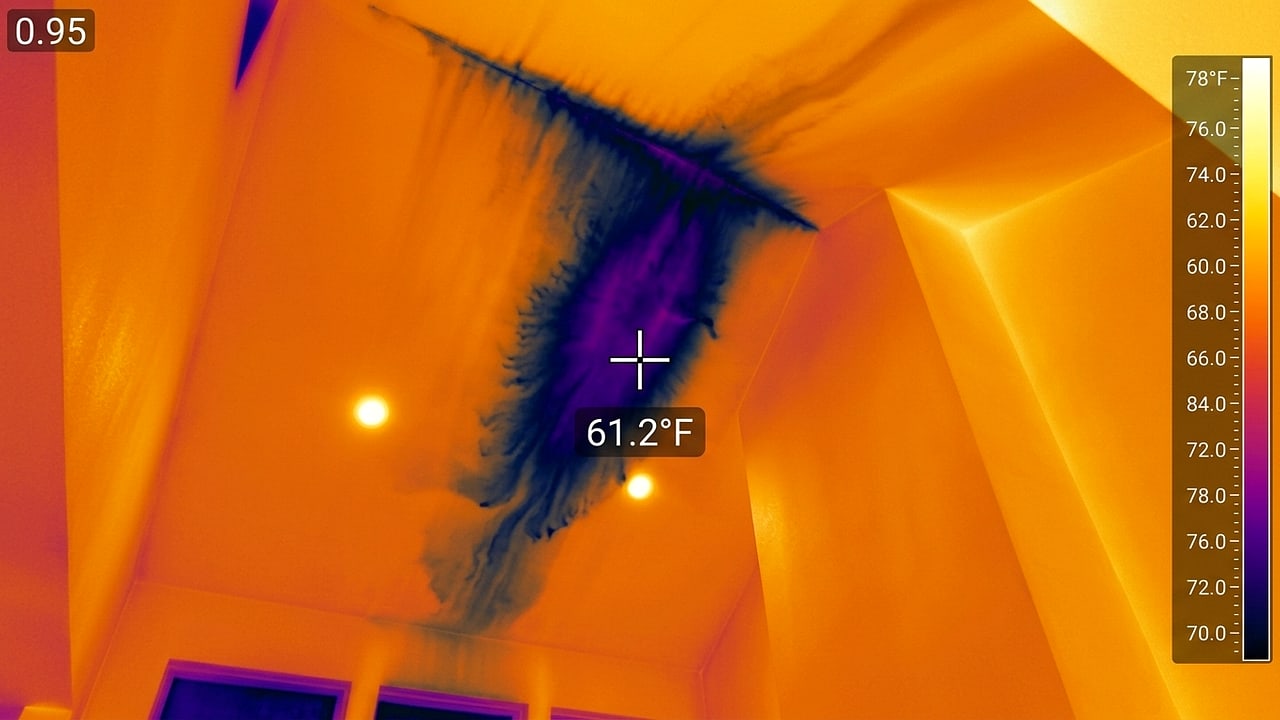
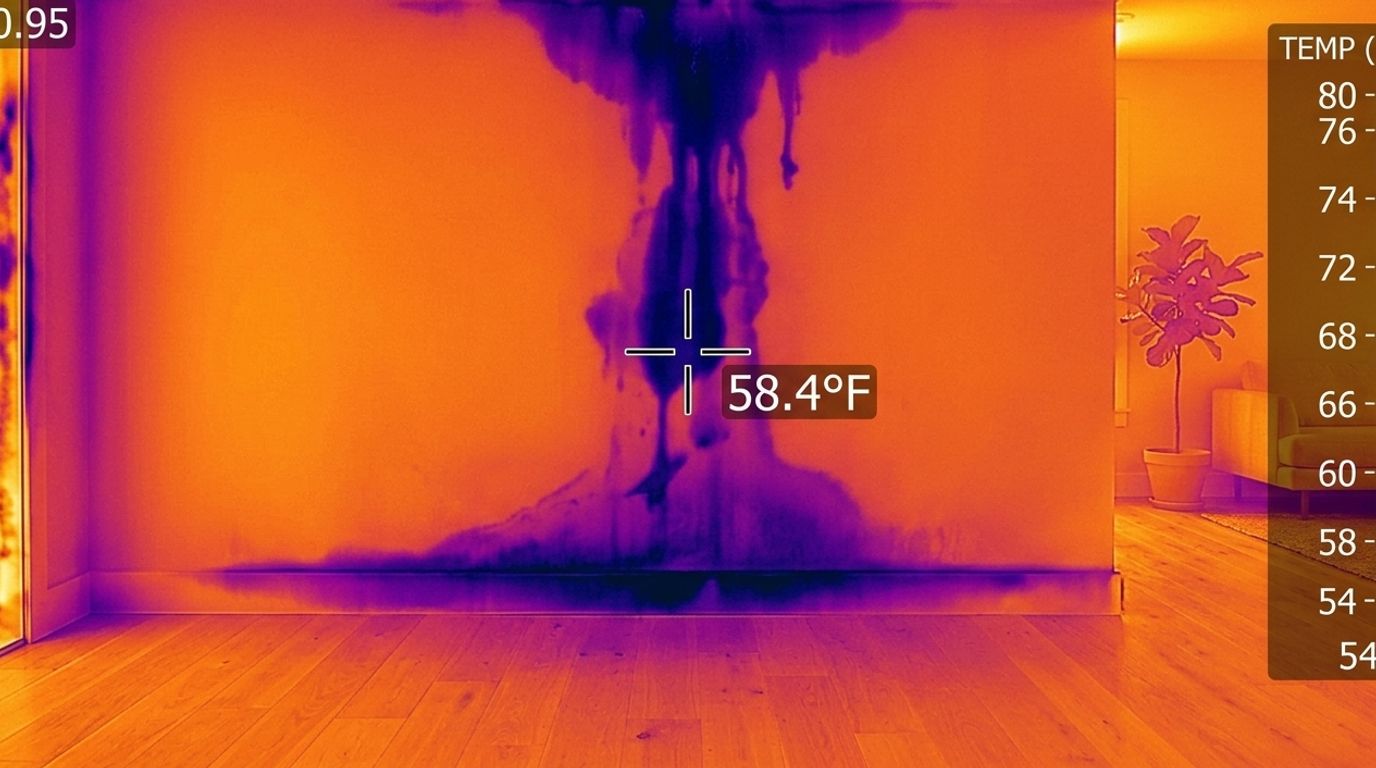
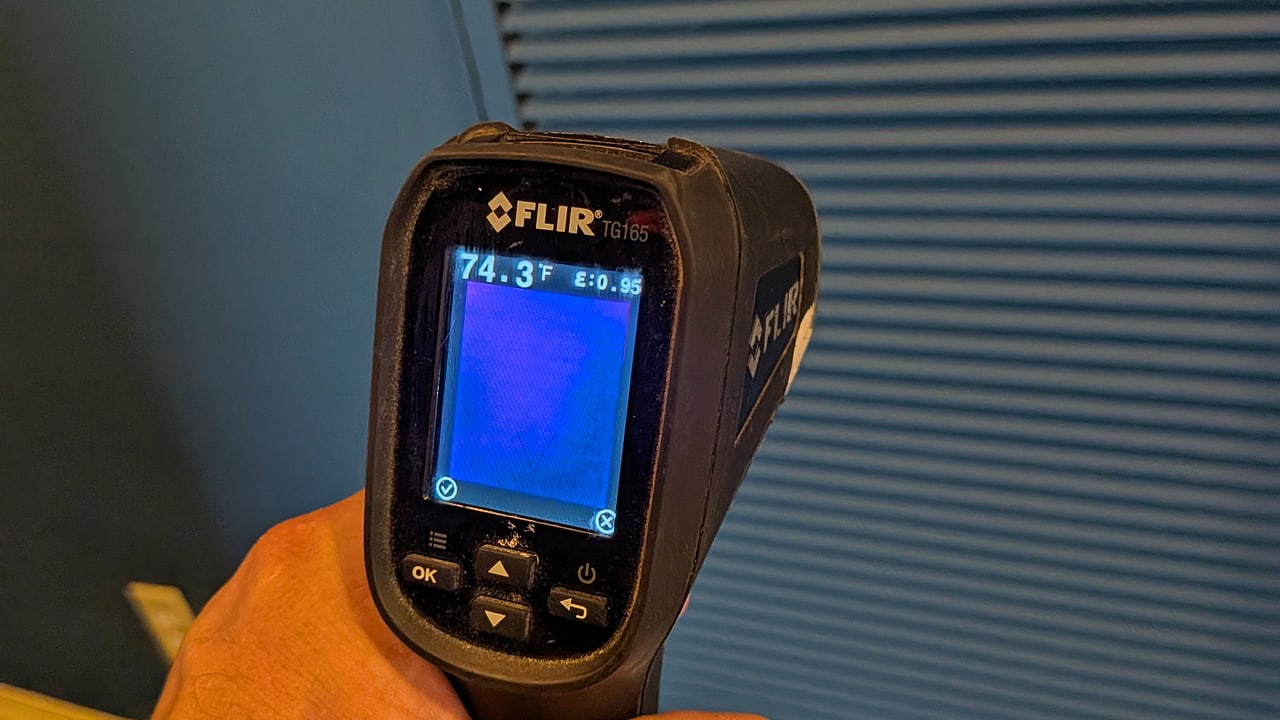
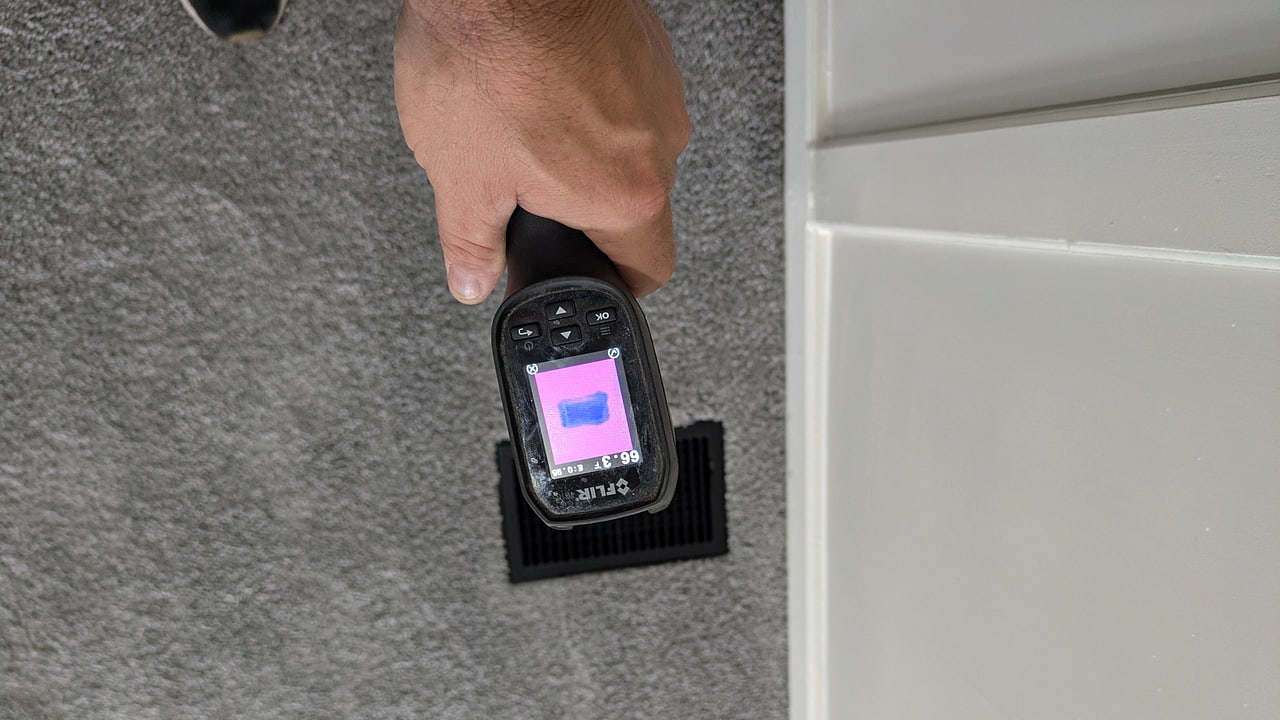
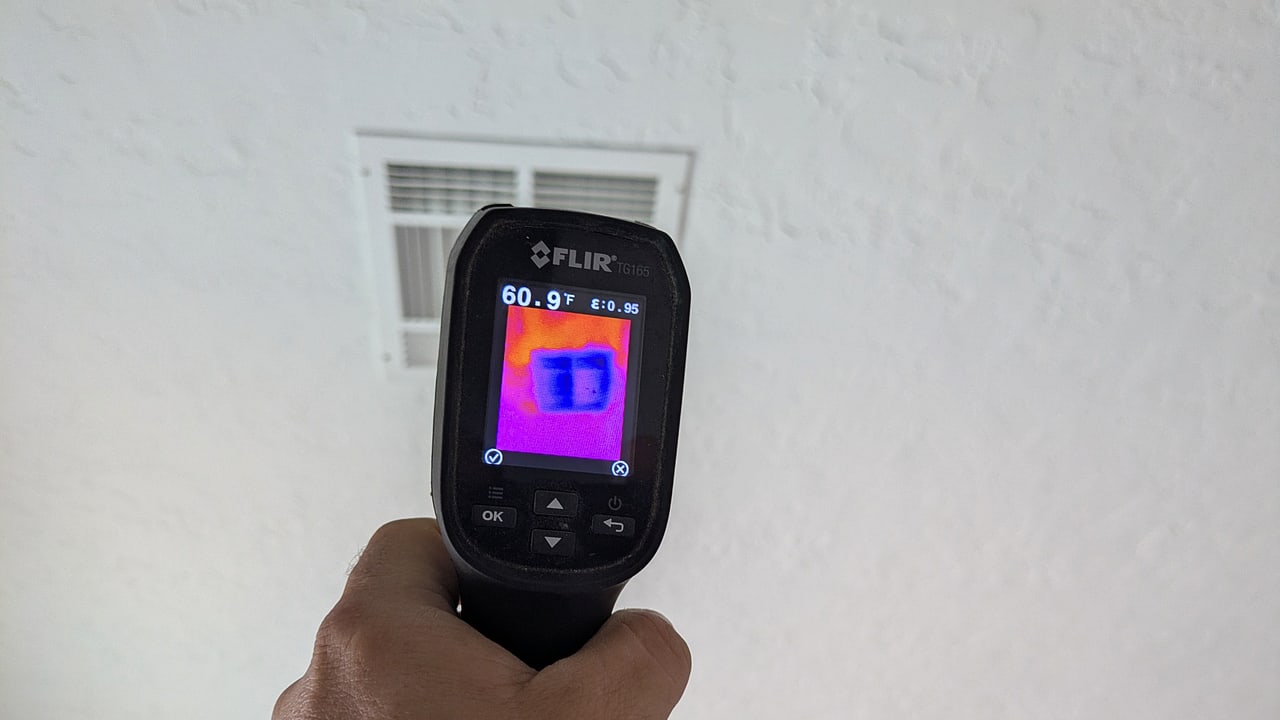
How certified thermographers use high-resolution FLIR cameras, Delta-T principles, and evaporative cooling signatures to diagnose hidden water leaks and energy loss.

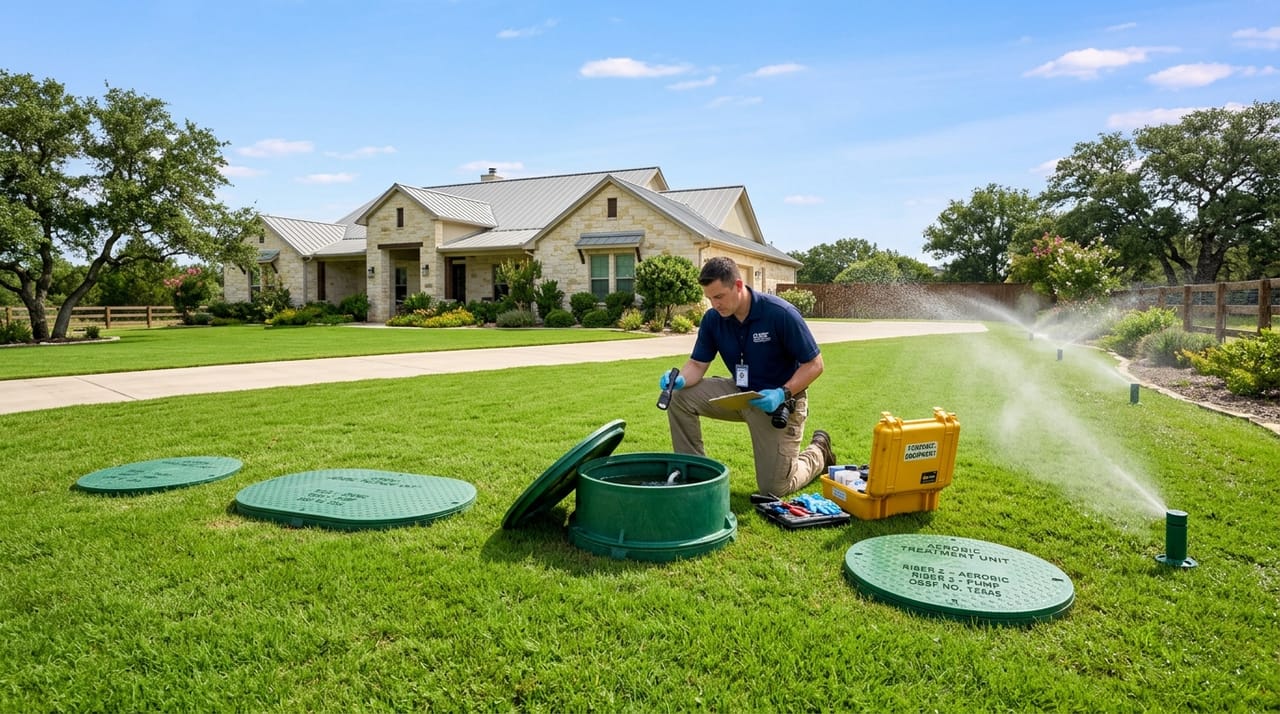
Technical inspection protocols for private water wells, pressure tanks, aerobic septic treatment units (ATUs), surface spray dispersal, and TCEQ regulations.

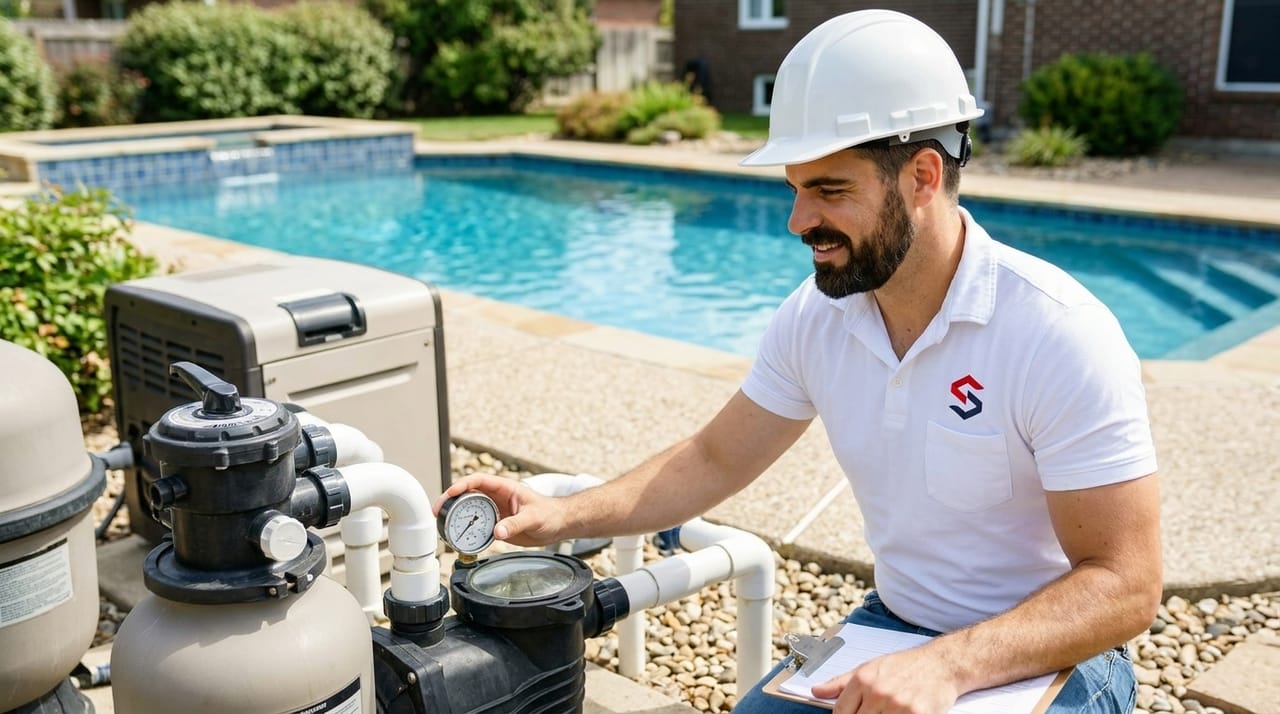
Technical inspection protocols for swimming pools, spas, equipotential bonding grids, Virginia Graeme Baker (VGB) anti-entrapment covers, and leak detection.

Forensic inspection of Exterior Insulation and Finish Systems (EIFS) and traditional three-coat stucco, moisture intrusion probing, weep screeds, and kickout flashings.

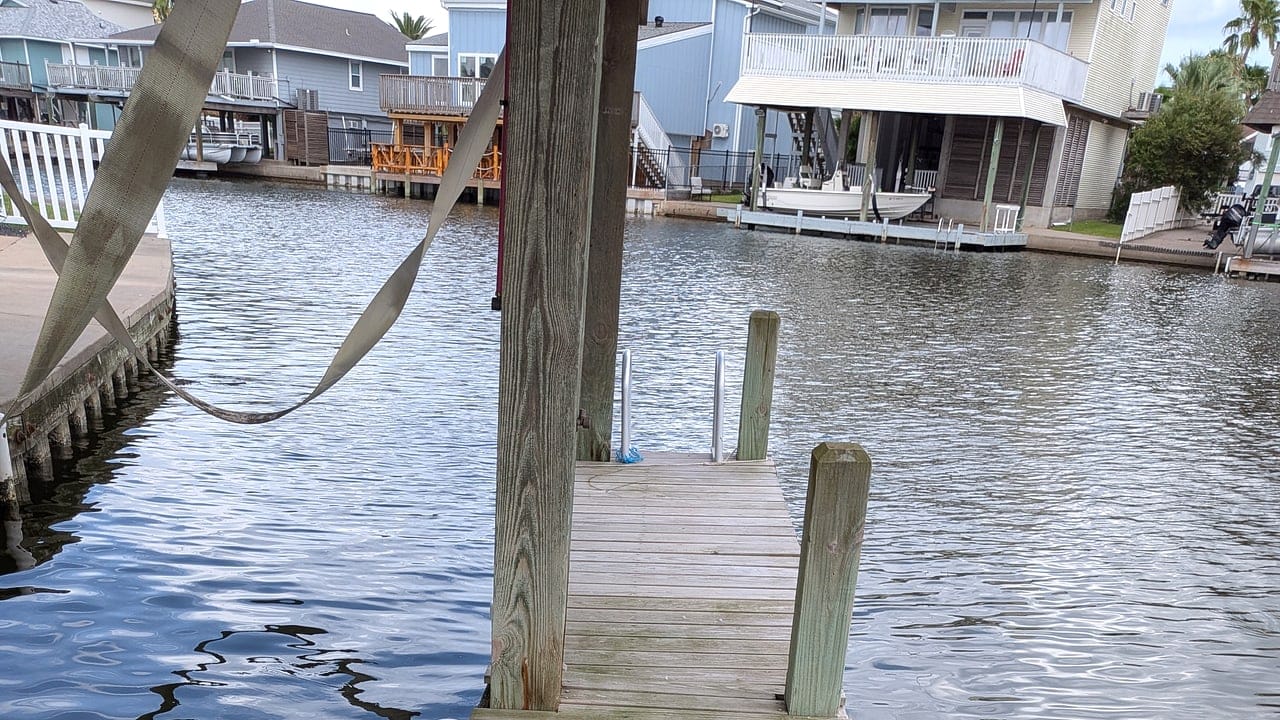
Engineering inspection protocols for waterfront canal bulkheads, timber seawalls, vinyl sheet piling, deadman tie-back anchors, marine borer damage, and toe scour.

Technical inspection protocols for detached garages, metal workshops, barndominiums, post-frame structures, electrical feeder sizing, and foundation engineering.

A laboratory guide on testing private well drinking water for heavy metals, naturally occurring arsenic, fertilizer nitrates, and bacterial contamination in Texas aquifers.

Technical inspection protocols for Corrugated Stainless Steel Tubing (CSST), lightning-induced electrical arcing, and mandatory electrical bonding under NFPA 54.

A tactical real estate agent guide on negotiating the Texas Option Period under TREC promulgated contracts, time-is-of-the-essence rules, and termination timing.

Strategic language, escrow credits, contractor invoicing rules, and lender-safe repair clauses when drafting TREC Form 39-11 (TXR 1903) Amendment to Contract.

How pre-listing home inspections protect Texas home sellers from Deceptive Trade Practices Act (DTPA) claims, latent defect litigation, and renegotiation friction.

How Texas buyer agents win competitive multiple-offer bidding wars using custom pass/fail inspection clauses without completely sacrificing buyer safety.

Demystifying FHA 4000.1 Minimum Property Standards and VA MPR requirements: chipping paint, stairway handrails, crawlspace clearances, and water flow.

How real estate agents can coach first-time buyers through 50-page TREC 7-6 inspection reports, contextualize "Deficient" checkmarks, and prevent deal fatigue.

How real estate agents protect themselves from errors and omissions (E&O) lawsuits, steering claims, and licensing sanctions under TREC Rule §535.148.

Why booking a professional re-inspection 48 hours prior to closing catches shoddy seller repairs, missing contractor receipts, and incomplete scope work.

How commercial real estate brokers and investors draft Letter of Intent (LOI) feasibility contingencies, environmental rights of entry, and lease document discovery.

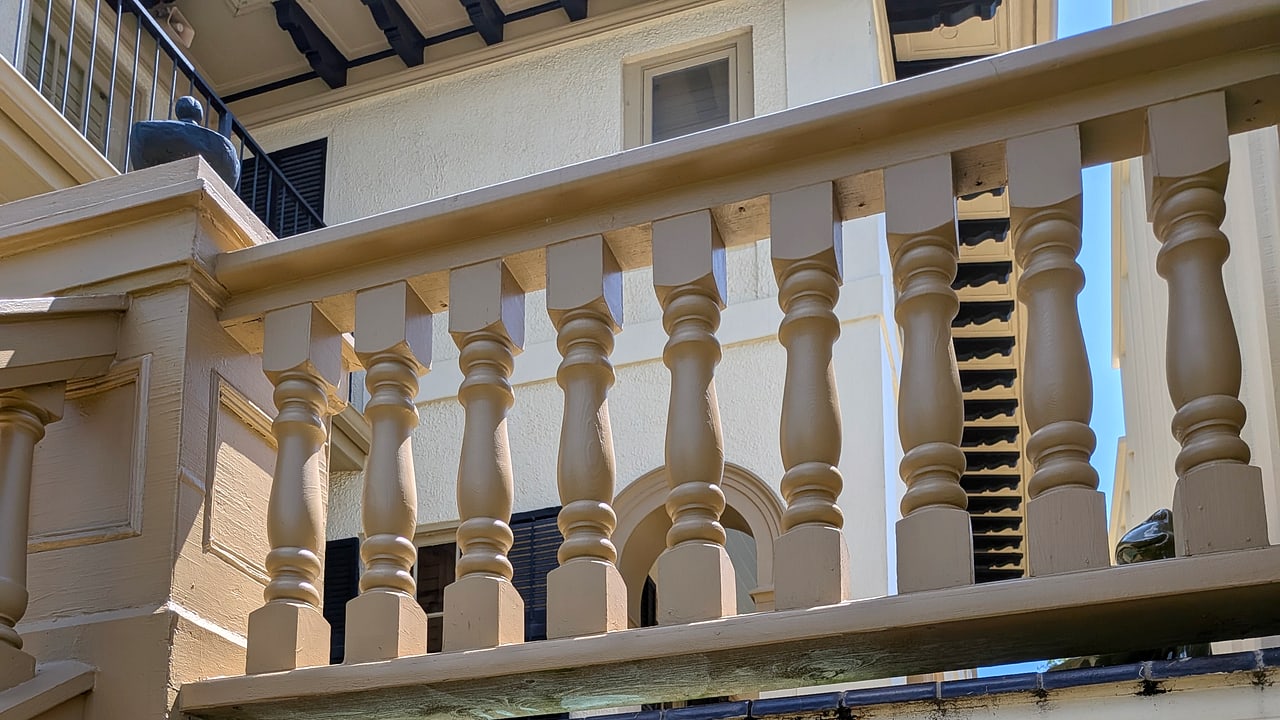
Navigating Texas Property Code Chapter 82 (TUCA), condo resale certificates, HOA reserve study deficiencies, and balcony structural waterproofing inspections.

A comprehensive guide on Texas Department of Insurance (TDI) windstorm certification, WPI-8 and WPI-8-E certificates, TWIA eligibility, and coastal roof replacements.

Forensic evaluation of marine atmospheric salt fog corrosion, galvanic metal oxidation, coastal HVAC lifespan reduction, and sacrificial anode protection.

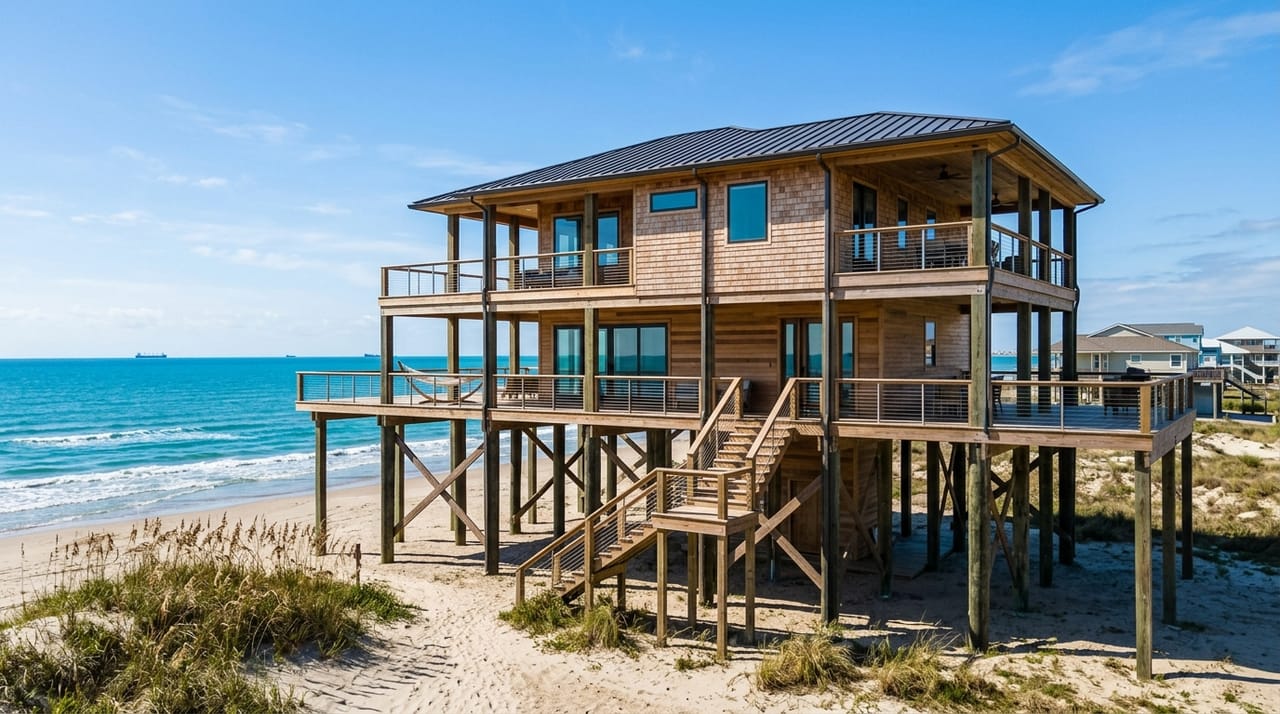
Structural engineering inspection protocols for elevated stilt beach homes, round timber pilings, diagonal knee braces, timber rot, and wind sway dynamics.

Technical comparison of impact-resistant laminated glass, accordion shutters, Bahama shutters, and storm panels under ASTM E1886/E1996 and TDI windstorm ratings.

How to read FEMA Flood Insurance Rate Maps (FIRMs), understand VE and AE zones, Base Flood Elevation (BFE), Elevation Certificates, and flood vents in Texas.

The geophysics of Houston black gumbo soil, volumetric expansion cycles, foundation soaker hose installation, root barriers, and preventing slab deflection.

Building science comparison of traditional open-vent crawlspaces versus closed encapsulated crawlspaces with commercial dehumidification in coastal Texas.

Technical evaluation of historic pier and beam framing, rough-cut cedar posts, Bois d'Arc piers, wood shims, termite galleries, and structural girder re-leveling.

Engineering verification of continuous load paths, hurricane clips, rafter ties, Simpson Strong-Tie H2.5A connectors, and shear wall anchor bolts in coastal Texas.

Manual J load calculations, sensible vs. latent cooling capacity, short-cycling, and why oversized HVAC equipment causes indoor biological mold blooms in coastal Texas.

A technical guide to DOE SEER2 energy standards, A2L mildly flammable refrigerants (R-454B and R-32), heat pump transitions, and Texas HVAC replacement costs.

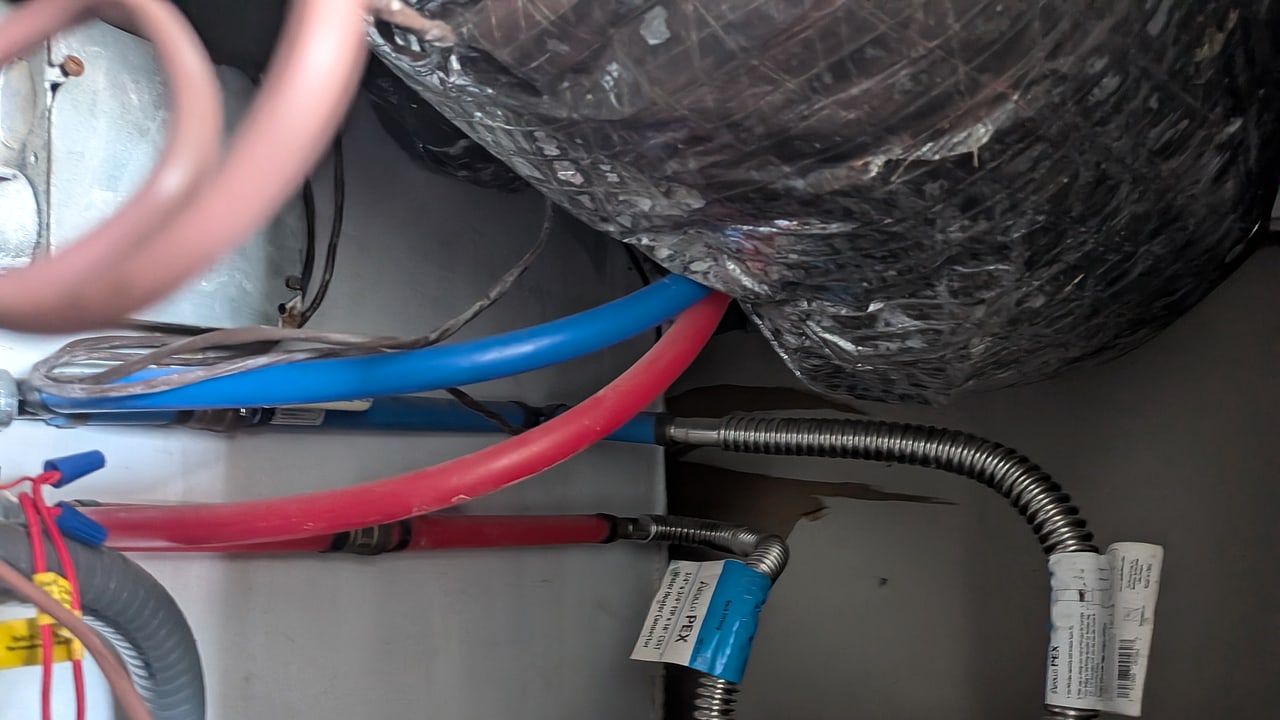
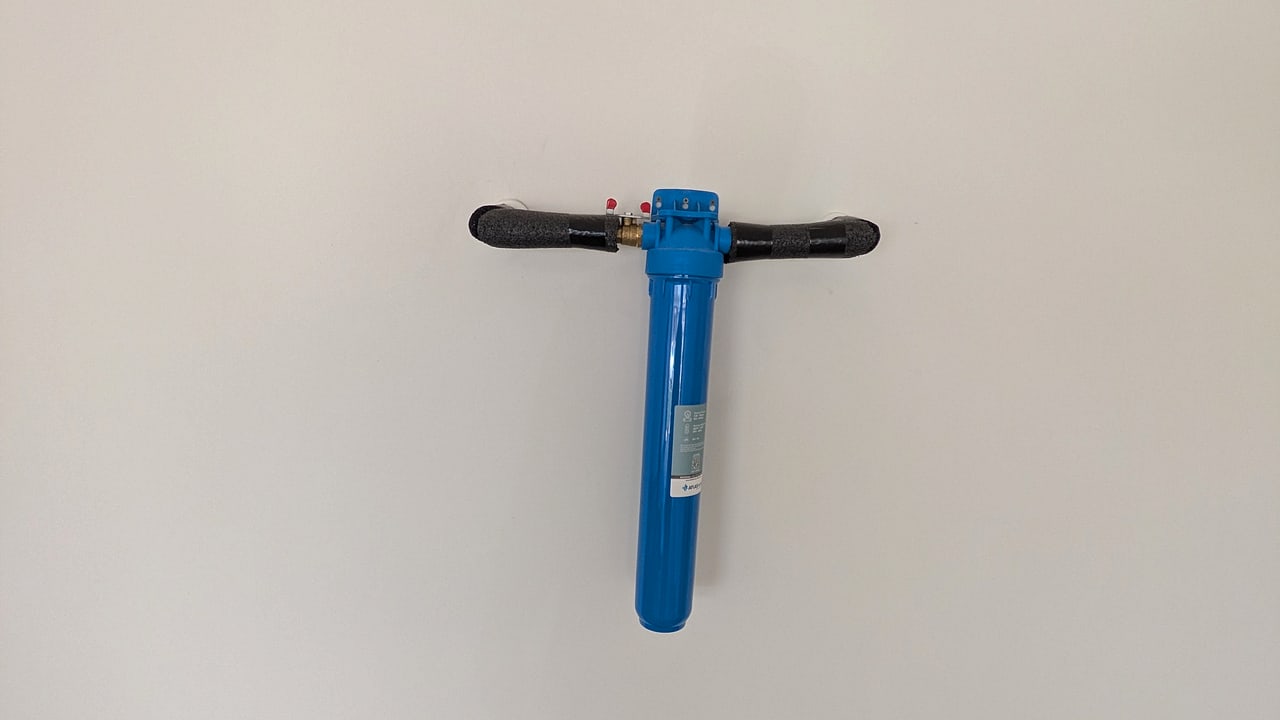
Technical comparison of residential water supply piping: PEX-A expansion, Type L copper, brittle CPVC pipe failure, and chlorine degradation in Texas municipal water.

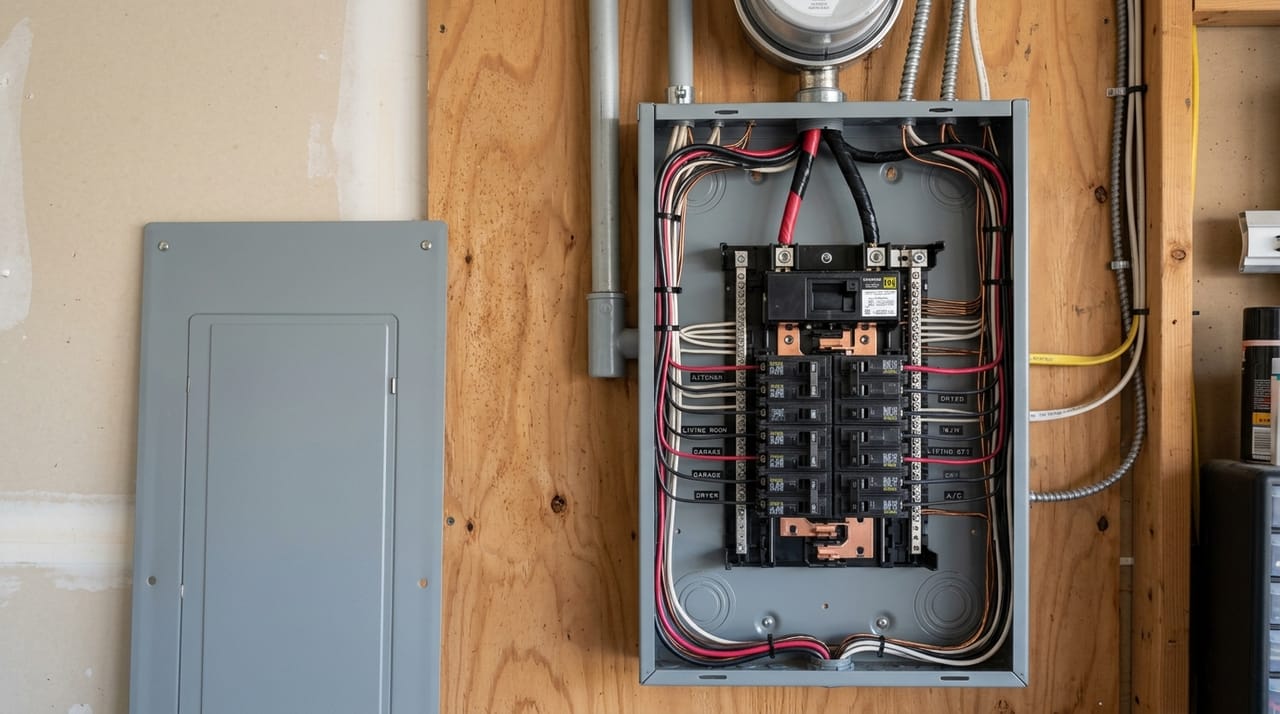
A forensic guide to identifying Federal Pacific Electric (FPE) Stab-Lok and Zinsco Sylvania circuit breaker panels, breaker trip failure rates, and insurance cancellation risks.

Technical inspection protocols for natural gas furnaces in attics, heat exchanger thermal fatigue fractures, flame rollout, and carbon monoxide combustion diagnostics.

Why booking a pre-drywall phase inspection on new construction catches warped studs, cut engineered joists, missing hurricane straps, and unsealed penetrations.

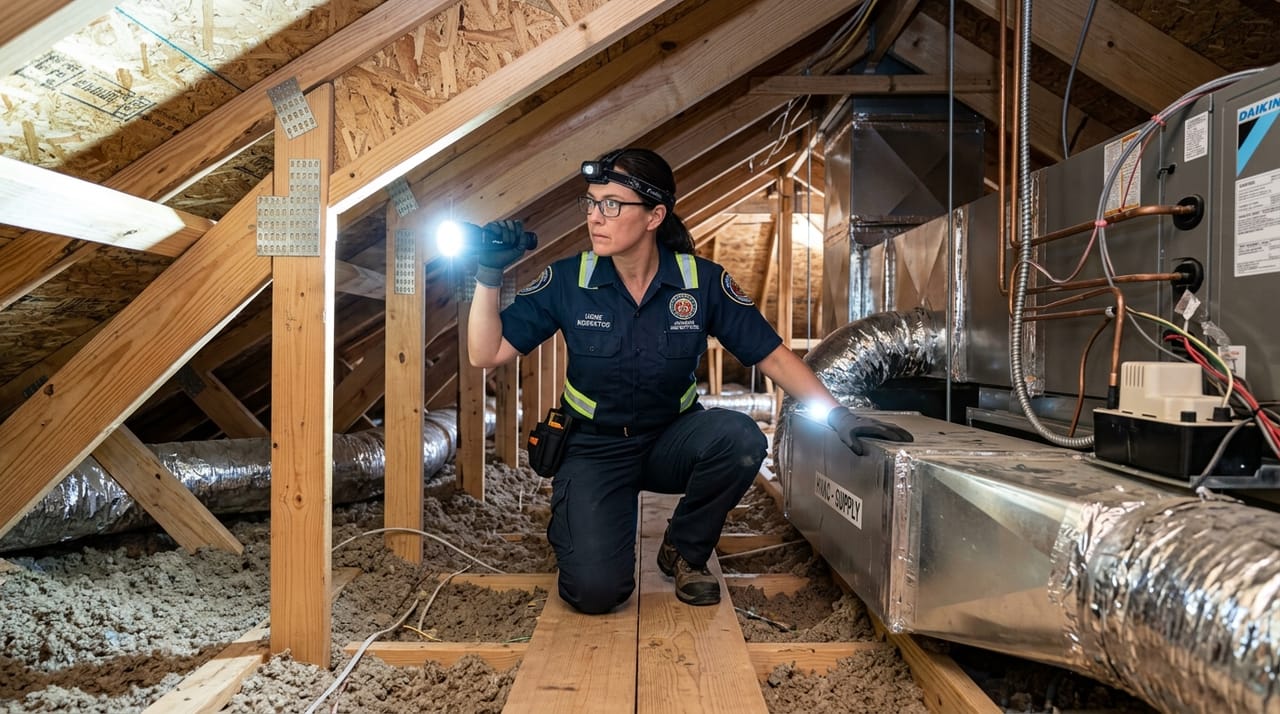
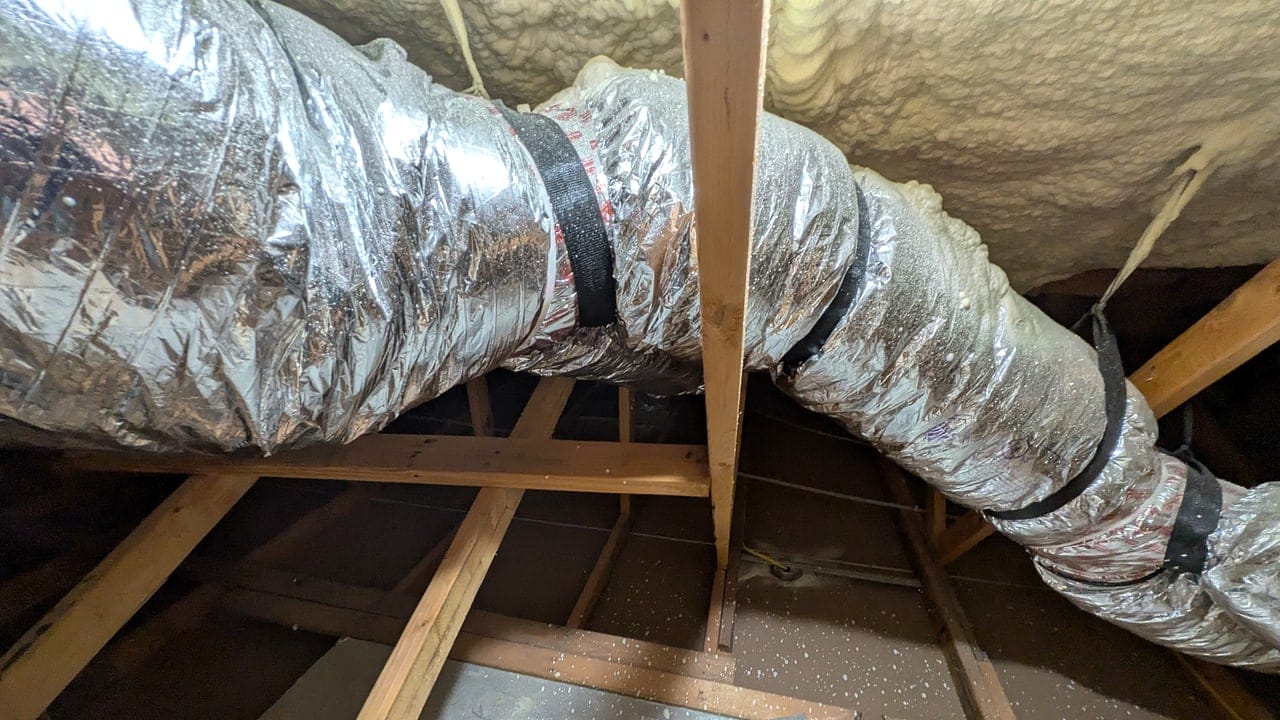
The physics of attic ventilation, balanced soffit-to-ridge ratios, radiant barrier foil delamination, compressed insulation, and reducing attic heat loads in Texas.

NEC Article 625 electrical requirements, 240V 50A dedicated circuits, continuous load calculations, 100A vs 200A main service panels, and EV charging safety.

Technical comparison of whole-home smart water monitoring systems, ultrasonic vs. turbine flow sensors, micro-leak detection, and insurance premium discounts.

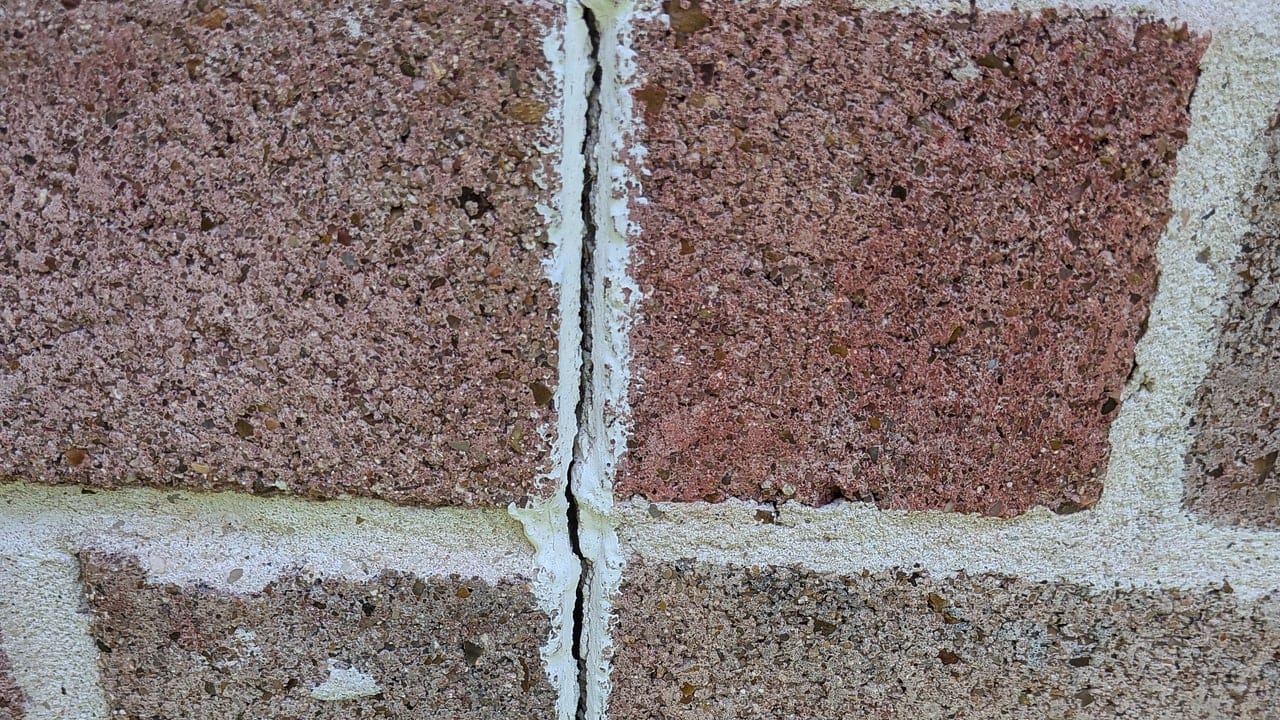
Forensic inspection of residential brick veneer cladding, weep hole spacing, drainage cavity clearance, steel lintel rust jacking, and step cracking in Texas clay.

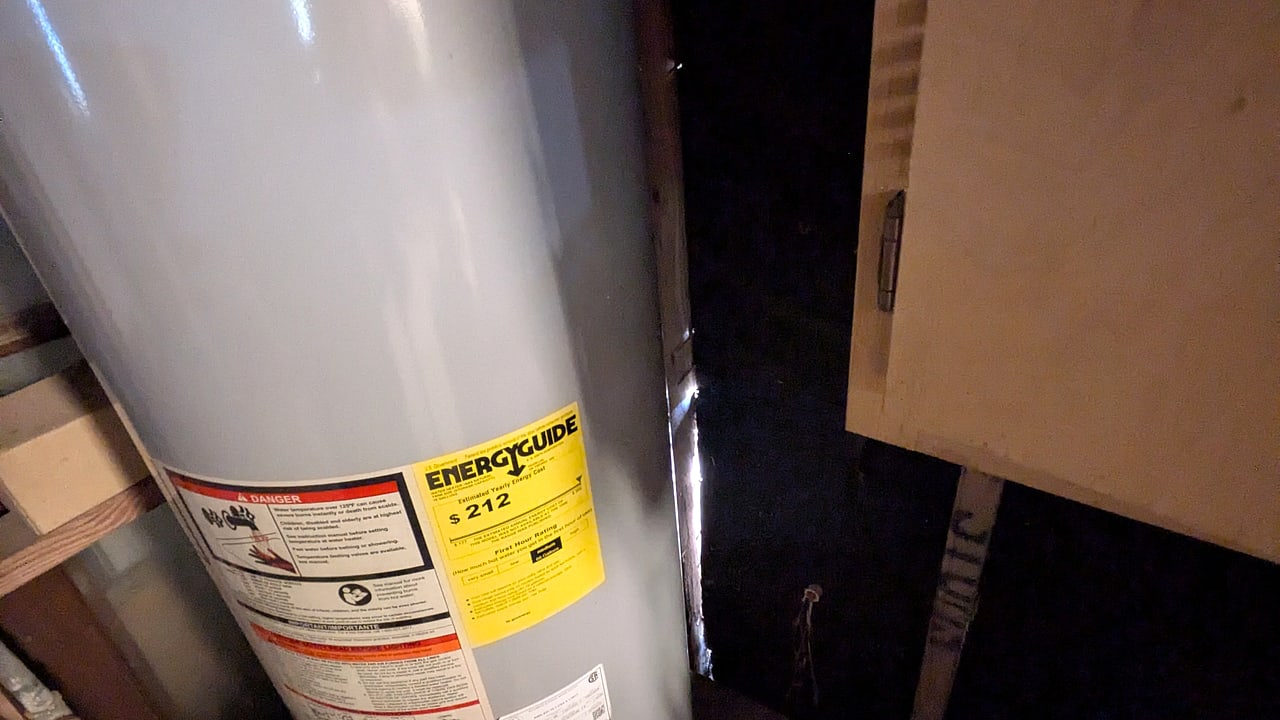
Crucial life-safety inspection protocols for water heater Temperature and Pressure Relief (TPR) valves, discharge piping materials, scald hazards, and explosion prevention.

Buying a home can be an emotional rollercoaster. You

Most people don’t know how easy it is to make their homes run on less energy, and here at Secured Inspections, we want to change that.


For those who moved into a new home in the Houston, Brazoria, or Galveston areas during the Spring 2025 surge, congratulations—you are approaching your first anniversary.

The following items are essential tools, but this list is by no means exhaustive. Feel free to ask a Secured Inspector during your next inspection about other tools that you might find useful.

John and Jane had been looking for their dream home for months. They had finally found the perfect one: a beautiful colonial house in a great neighborhood.

At Secured Inspections, we

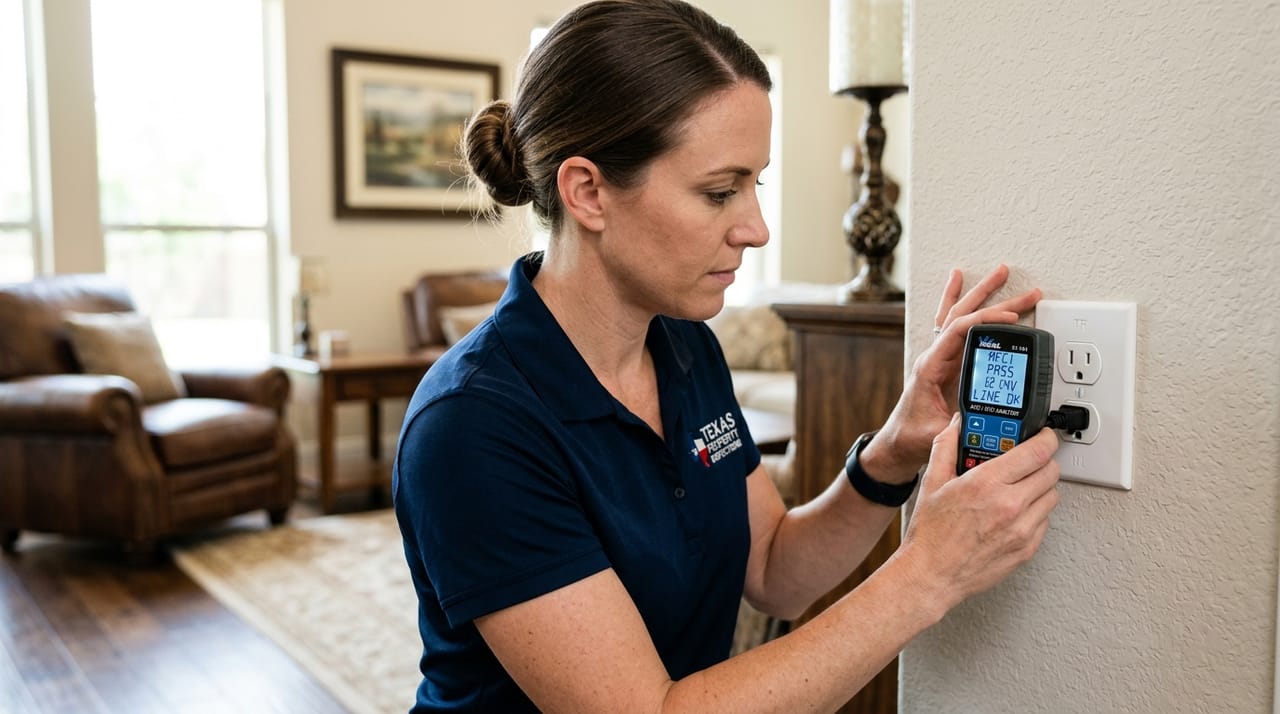
Arc-fault circuit interrupters (AFCIs) are special types of electrical receptacles (or outlets) and circuit breakers designed to detect and respond to potentially dangerous electrical arcs in home branch wiring.

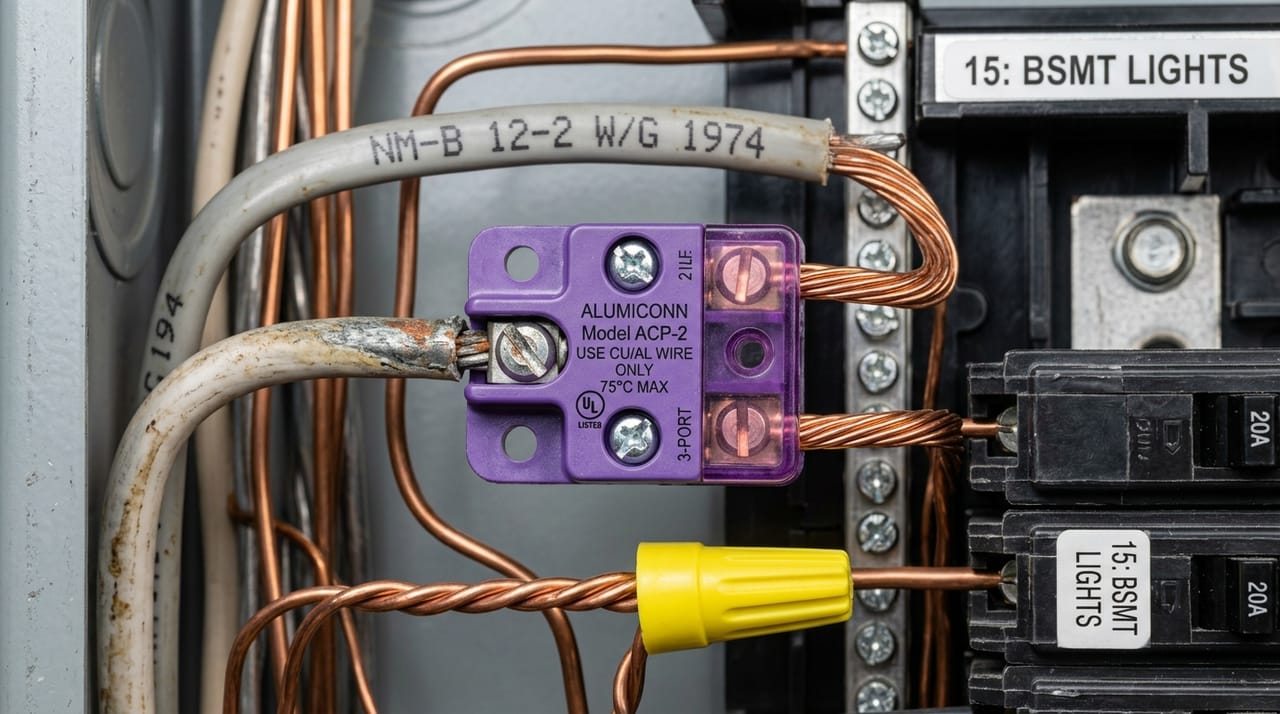
If you are eyeing a home built between the mid-1960s and the late 1970s, you are likely to encounter a specific technical detail that often sends a ripple of anxiety through the closing process: Aluminum Wiring.

In a market defined by caution and critical negotiation, relying on a simple "repair list" from a basic inspection is no longer enough.

If you’re in the real estate biz, you may be aware that the Texas Real Estate Commission (TREC), which is the governing body over real estate licenses and standards, just made some changes to the approved Home.

Congratulations on your commercial property acquisition! Just like a homeowner, your property represents a significant investment, and safeguarding it is paramount.

If you own residential or commercial real estate in the Houston, Brazoria, or Galveston regions, you are likely already familiar with the unique challenges of our local environment.

Tackling Issues Head-On for a Smooth Home Purchase

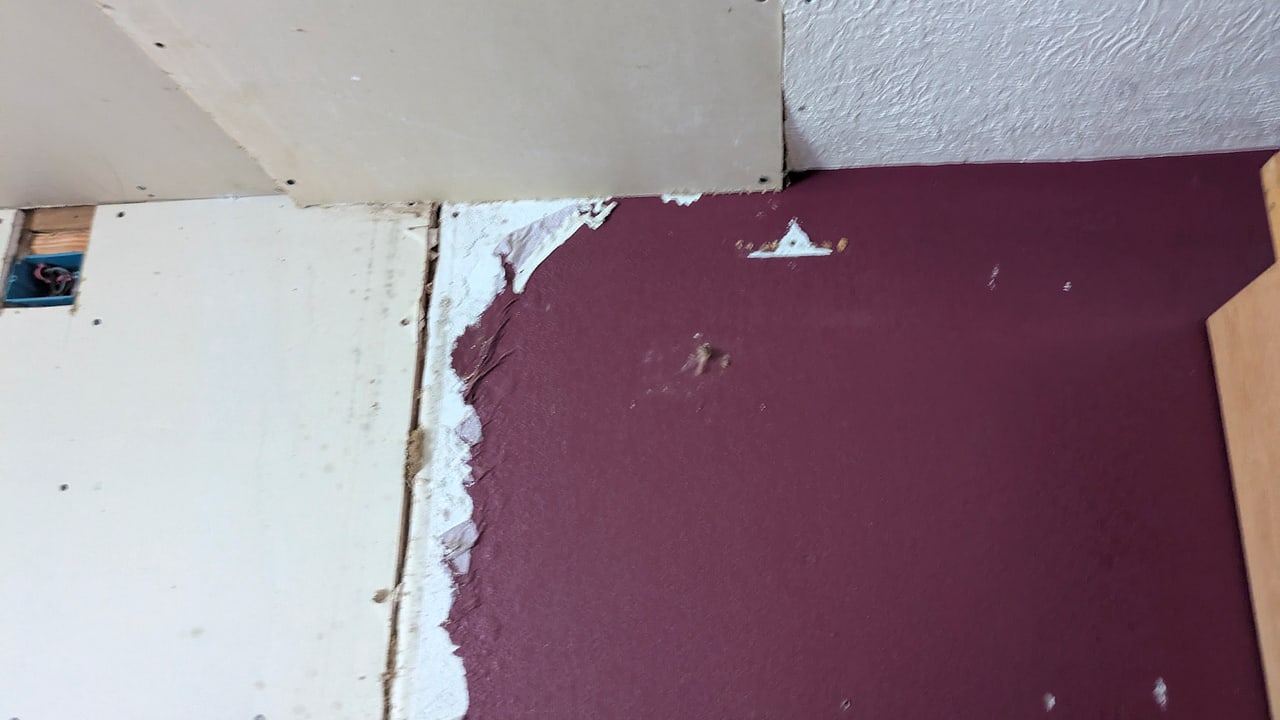
A thorough home inspection is your frontline defense against unexpected problems. Among the most concerning issues is water damage, which can indicate underlying leaks, structural weaknesses, and potential mold growth.

The structural integrity of a home is paramount. Issues with the foundation or supporting framework can be expensive and challenging to repair.

Pier and beam beach houses face extreme salt air corrosion and vapor drive. Essential moisture barrier and windstorm checklist.

The winter holidays are a time for celebration, and that means more cooking, home decorating, entertaining, and an increased risk of fire and accidents.

The thrill of buying a home in Galveston comes with the responsibility of making a sound investment. A comprehensive home inspection empowers you, the buyer, with insights into the property

For first-time homebuyers or those new to real estate, the difference between a home inspection and a home appraisal can be somewhat confusing.

In a world where litigation is the preferred method of resolving even the most minor conflicts, it should come as no surprise to real estate agents that they are increasingly finding themselves named as defendants in.

The winter months are the perfect time to get away for vacation in a warmer place, especially if you live in Chicago, which can be quite chilly.

A home inspection is an important part of the home buying process. It can help you identify potential problems with the property that could save you thousands of dollars down the road.

In the fast-paced world of Greater Houston real estate, it is easy to feel like success comes down to luck. Will the appraisal hold? Will the financing go through? Will the buyer get cold feet?

Let’s be honest: when you think of "home maintenance," you probably think of expensive repairs, dusty attics, and a never-ending to-do list.

It is easy to miss a lot of the wear and tear that happens to your house over the years. But when you start thinking about selling, the state of your home becomes much clearer.

Finding the perfect home is exhilarating, but a home inspection can sometimes reveal unexpected issues. Don

For many homebuyers, opening a comprehensive home inspection report can feel overwhelming. Seeing a list of defects, maintenance items, and safety notes on your dream home can quickly trigger anxiety.

Plumbing issues can range from minor inconveniences to major water damage and costly repairs. During your home inspection, paying close attention to the plumbing system can help you identify potential problems before.

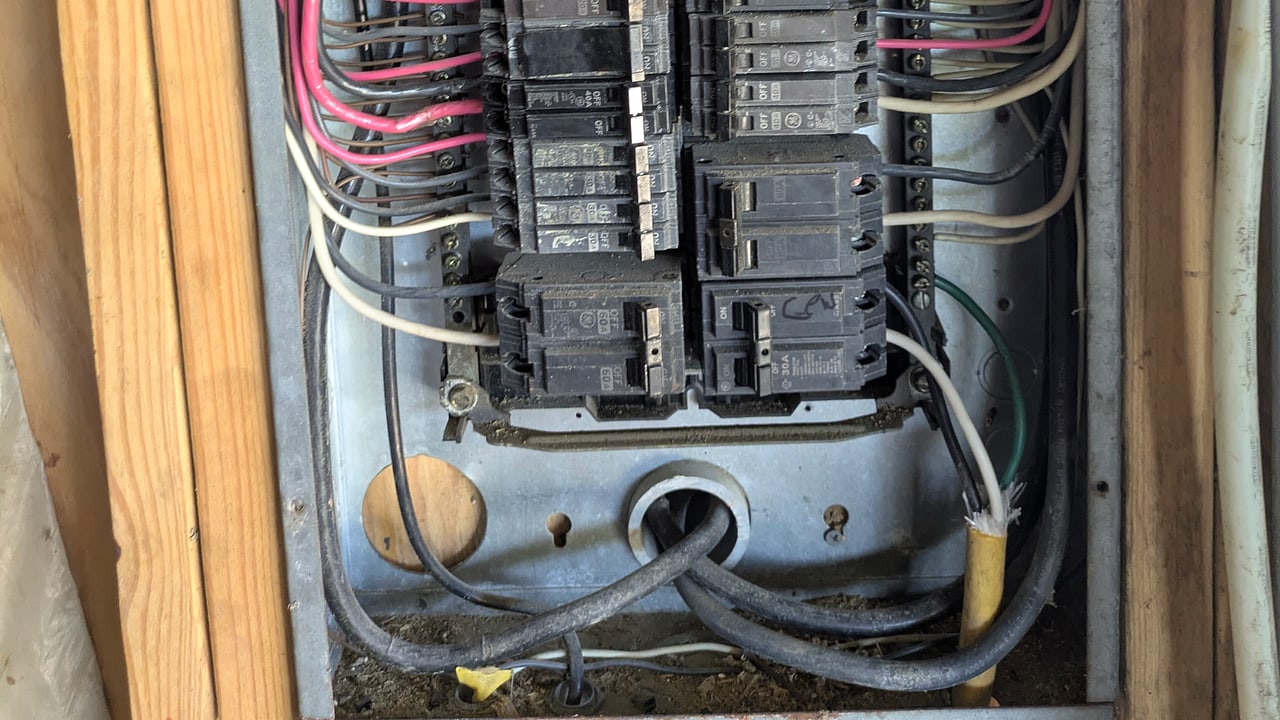
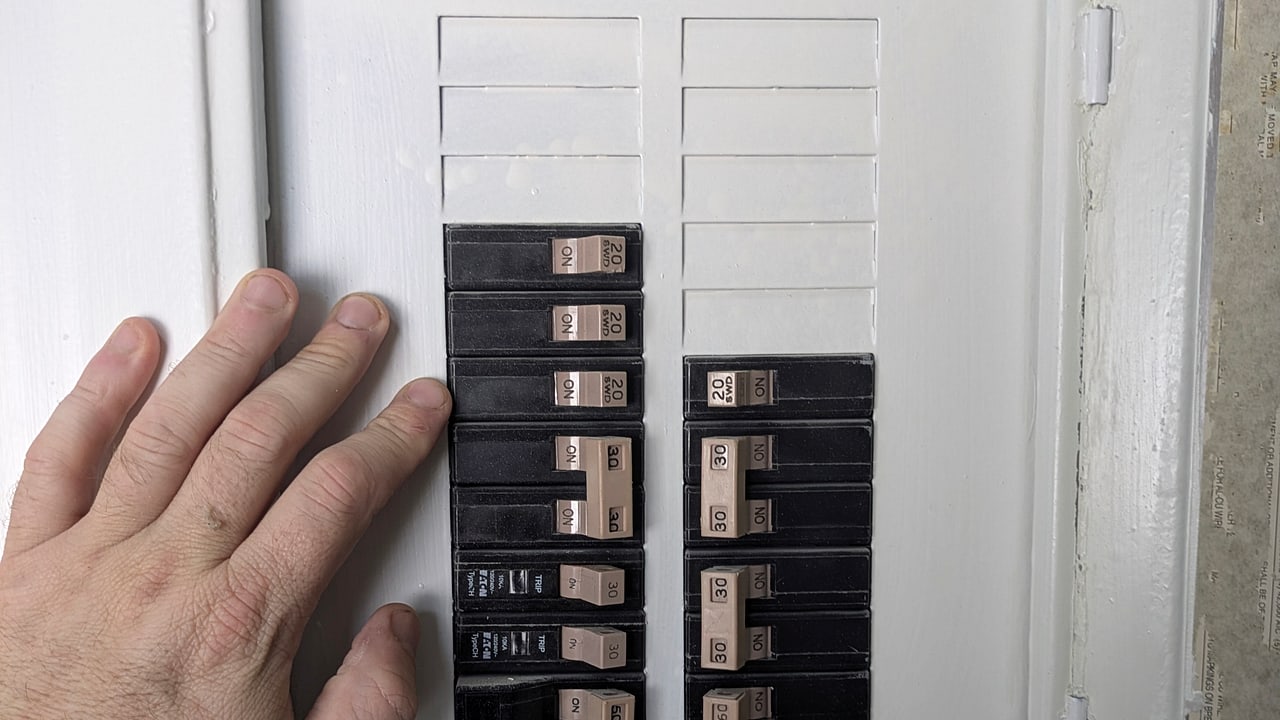
Electrical safety is non-negotiable. Faulty wiring or outdated electrical systems can pose significant fire hazards and safety risks.

Goal: Position your inspection as a strategic tool for sellers to gain control, mitigate risk, and maximize their closing price.

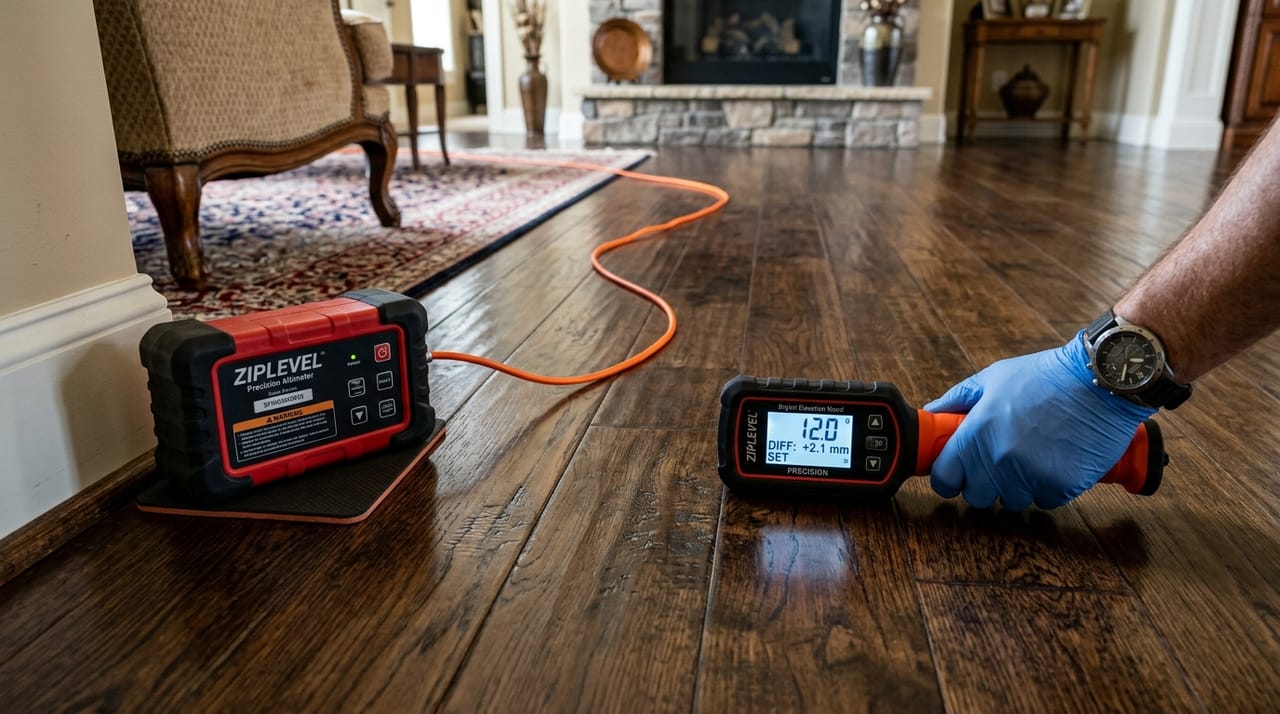
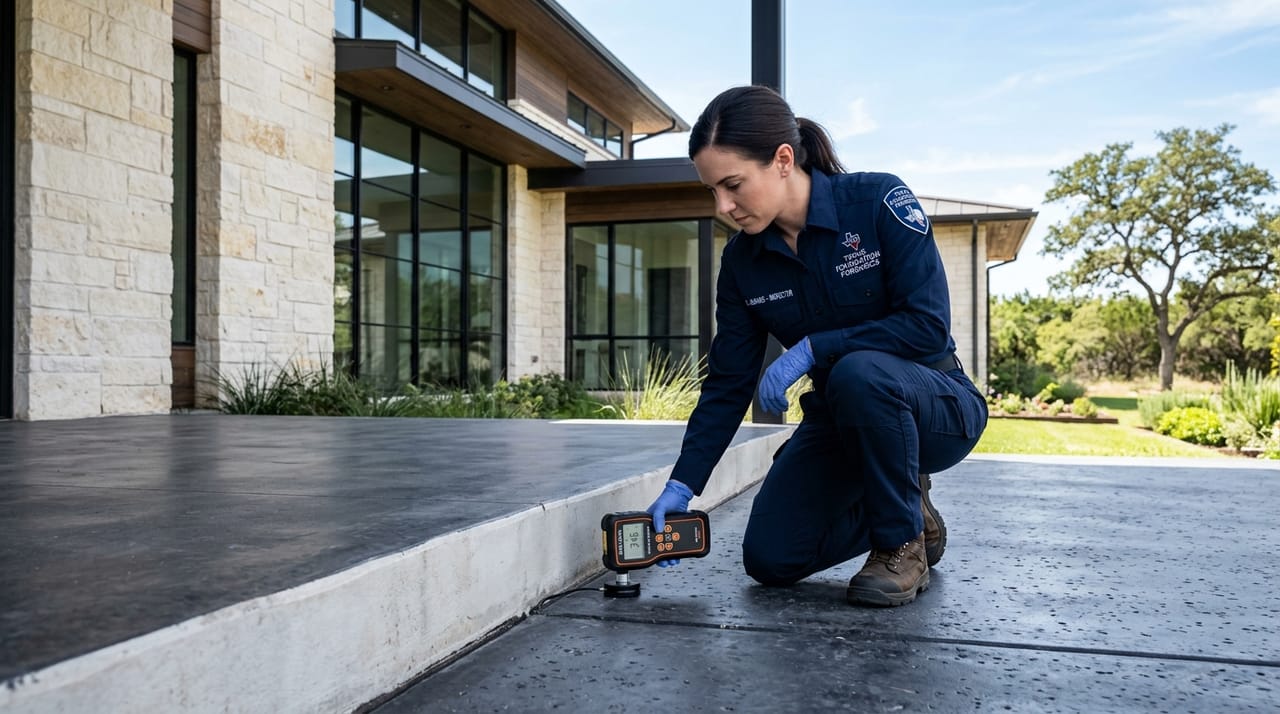
Why visual inspection alone is obsolete. How ZipLevel® digital manometer surveys calculate exact deflection contours across foundation planes.

You walk into an Open House. The smell hits you first—that crisp, chemical scent of "New Paint." The walls are flawless. The baseboards are gleaming white. It feels clean. It feels move-in ready.

When you walk through a potential new home, you check the countertops, the flooring, and the curb appeal. You might even peek into the electrical panel to see if the labels are neat.

Congratulations on taking the step towards property ownership! Whether you

Septic system design and size can vary widely, from within your neighborhood to across the country, due to a combination of factors.

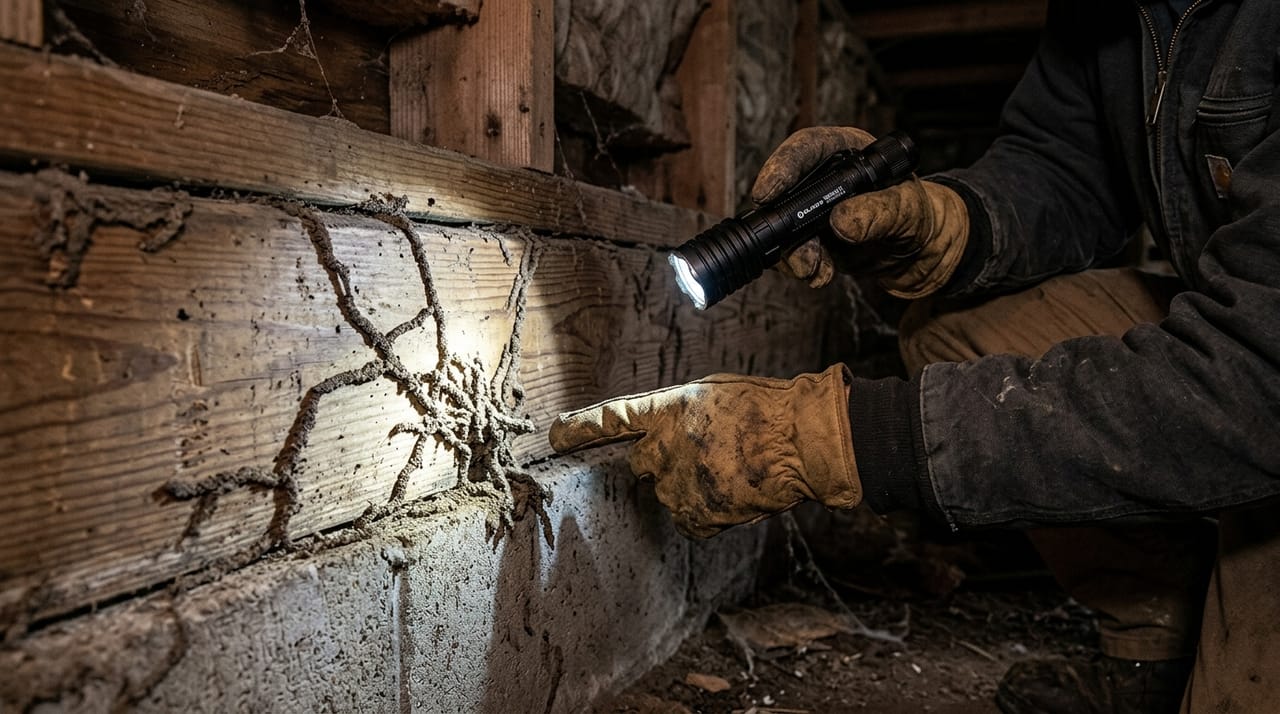
Discovering a pest infestation after moving into a new home can be unpleasant and costly to resolve. During your home inspection, being aware of the signs of current or past pest activity is crucial for avoiding these.

Buying a home is a major decision, both financially and emotionally. It

Congratulations! You

In Texas real estate contracts, the option period is typically 7 to 10 days. Having a fast, reliable inspector ensures you have time to negotiate before the deadline expires.
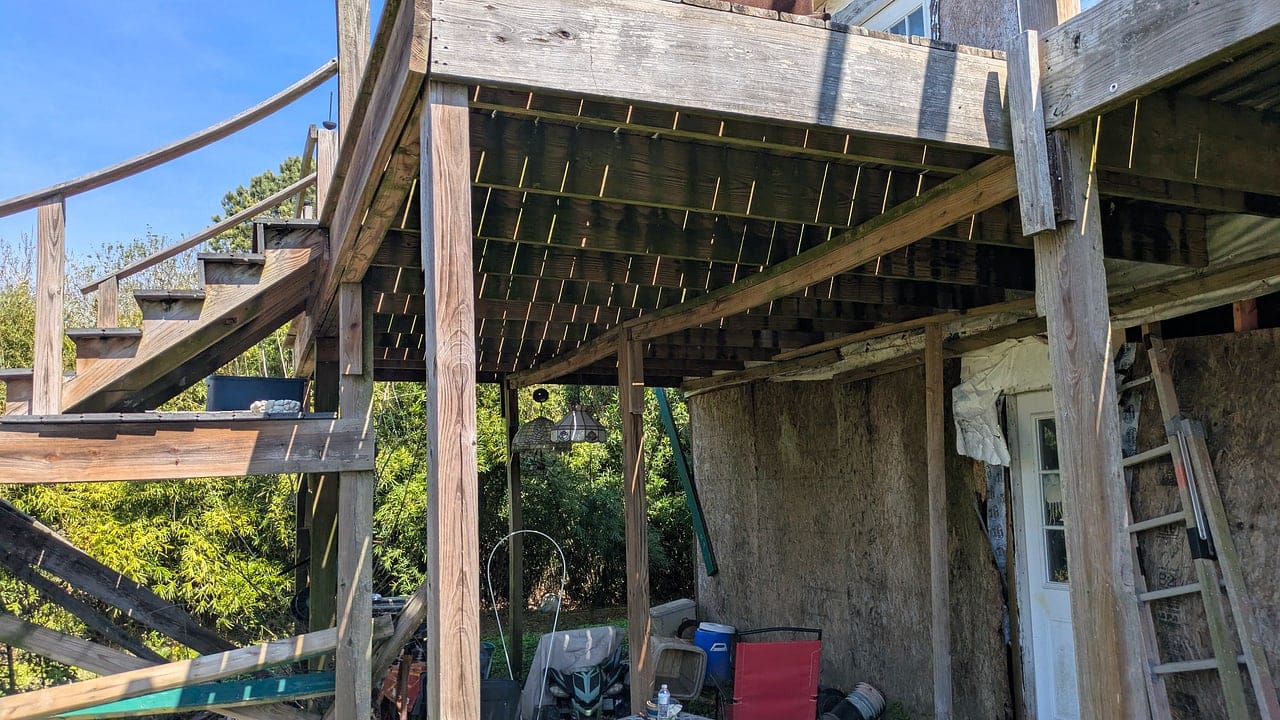
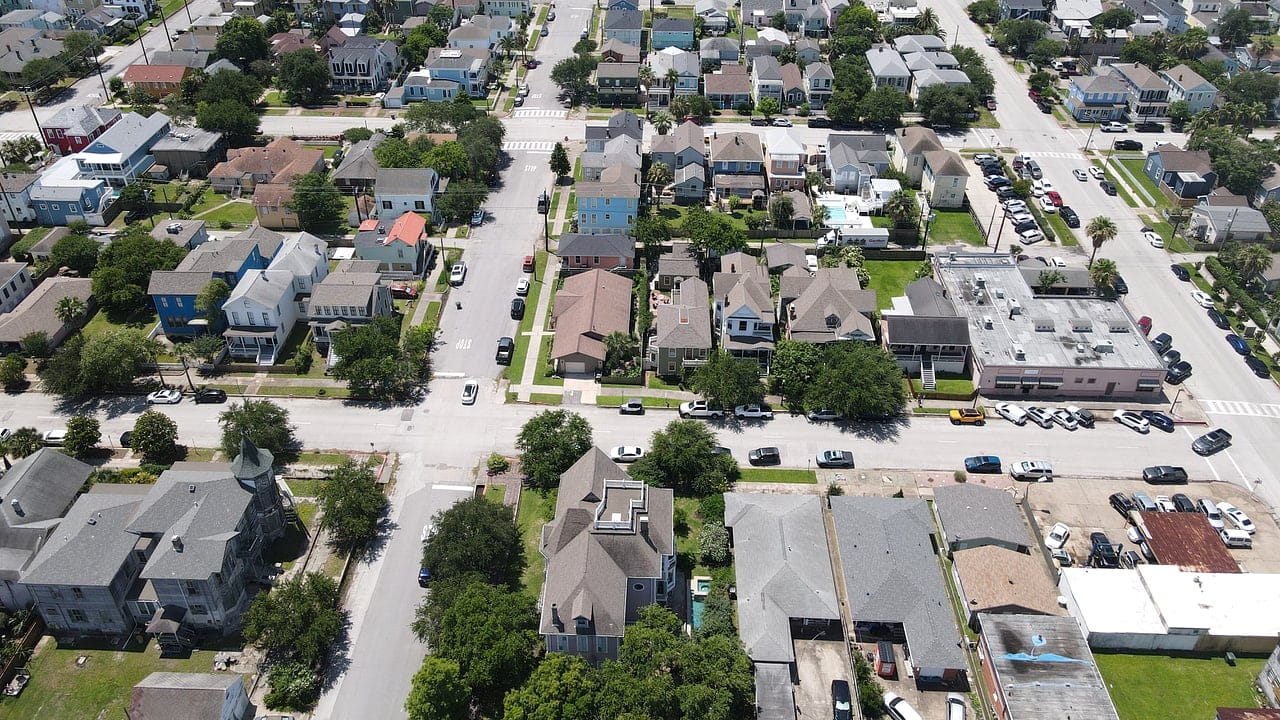
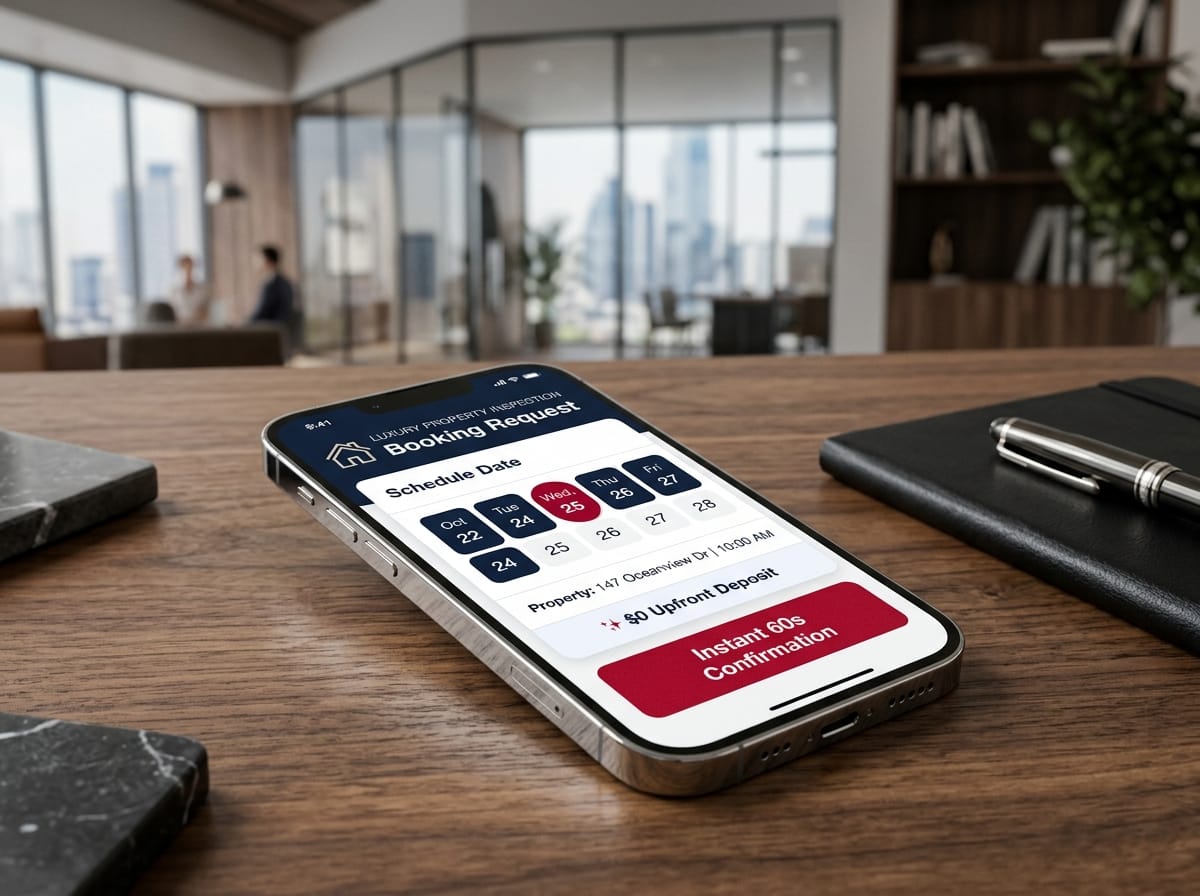
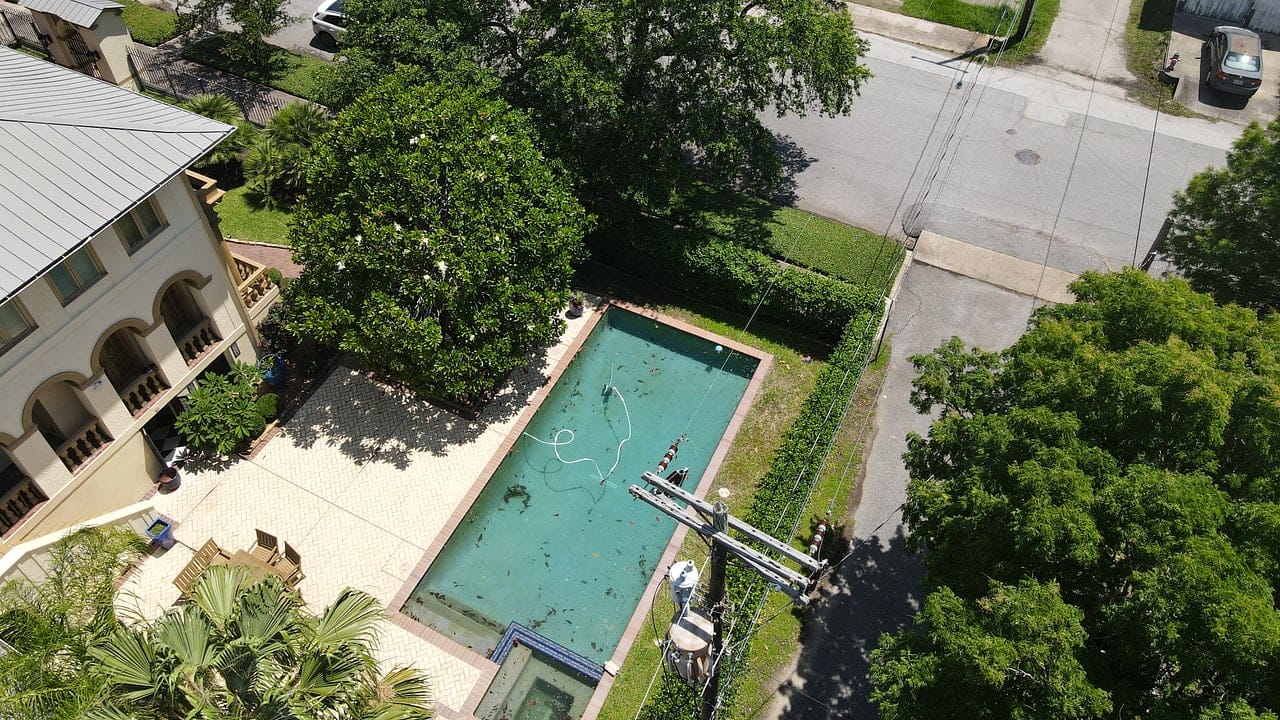
Every residential inspection includes complimentary FLIR® thermal imaging, 4K roof drone aerials, and ZipLevel® slab elevation mapping. Same-day 9:00 PM digital report delivery with $0 deposit to reserve.