

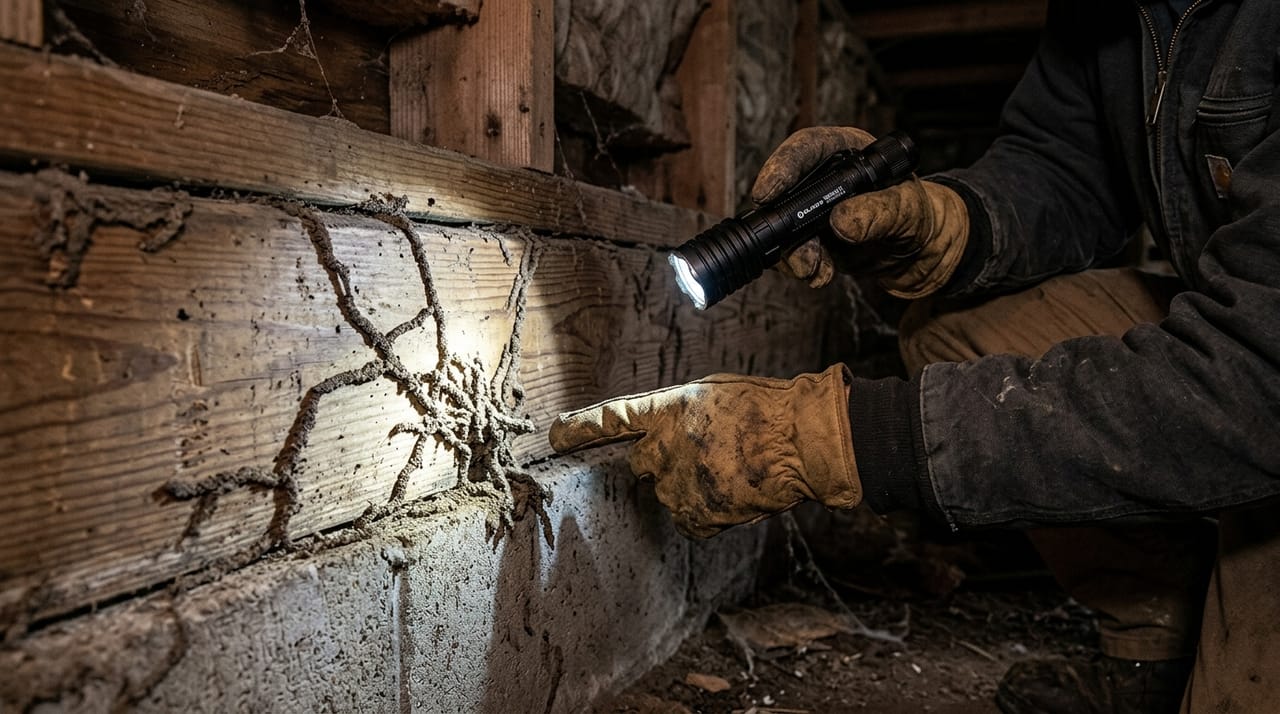
Discovering a pest infestation after moving into a new home can be unpleasant and costly to resolve. During your home inspection, being aware of the signs of current or past pest activity is crucial for avoiding these unwanted houseguests.
Here are some tips on how to spot signs of pest infestation during a home inspection
- Look for Droppings: Check areas like attics, basements, kitchens, and bathrooms for droppings from rodents or insects.
- Inspect for Nests or Webs: Look for bird nests, rodent nests, or spider webs in unusual locations.
- Check for Damage to Wood: Examine wooden structures for holes or tunnels that could indicate termite or carpenter ant activity. Tap on wooden beams to listen for hollow sounds.
- Be Aware of Unusual Smells: A musty or sweet odor can sometimes indicate the presence of pests.
- Look for Dead Pests: Finding dead insects or rodents can be a sign of an ongoing infestation.
If you notice any of these signs of pest infestation, be sure to inform your home inspector.
They can help determine the type and extent of the infestation and recommend appropriate treatment options. Addressing pest problems early is essential for preventing damage to the property and potential health hazards.
Ensure your potential new home is pest-free with a thorough inspection from Secured Inspections.
Contact us today to schedule your comprehensive home inspection. https://www.securedinspections.com/about
Forensic Entomology: The Gulf Coast Termite Threat
In warm, humid Southeast Texas, wood-destroying insect (WDI) activity is an ever-present threat. The region is home to two primary termite species: Native Subterranean Termites (Reticulitermes flavipes) and invasive, hyper-aggressive Formosan Subterranean Termites (Coptotermes formosanus). Formosan colonies contain millions of individual foragers capable of causing catastrophic structural framing failure inside a single year.
Key Indicators of Active Termite Infestation
During a certified Texas Structural Pest Control Service (SPCS) inspection, our licensed inspectors conduct rigorous visual and physical probing for:
- Earthen Mud Shelter Tubes: Pencil-sized mud tunnels constructed along concrete slab edges, plumbing pipe penetrations, and foundation piers to protect subterranean foragers from desiccation.
- Hollowed Framing & Paper-Thin Wood: Probing structural baseboards, sill plates, and door frames with a blunt awl to detect internal excavation where only thin outer veneers remain.
- Discarded Alate Wings: Piles of shed translucent wings around interior window sills and exterior light fixtures following spring evening swarms.
- Formosan Carton Nests: Spongy internal nesting structures constructed from soil, masticated wood, and saliva hidden inside wall cavities.
Rodent Intrusion & Attic Insulation Contamination
Roof rats (Rattus rattus) are rampant throughout Houston and coastal Texas neighborhoods, gaining access via overhanging tree branches and open roof returns. Rodents chew through electrical wiring insulation, create thermal bypass voids by tunneling through blown attic insulation, and leave hazardous droppings and urine that trigger allergic respiratory reactions. A thorough inspection identifies entry points and evaluates attic sanitation.
Need an Objective Forensic Property Inspection?
Residential Pre-Purchase, ASTM E2018 Commercial PCAs, Termite WDI, Sewer Camera Scopes, and FLIR Thermal Infrared diagnostics across Greater Houston, Galveston, and Brazoria.
