

1. How a home inspection report helped a couple avoid a costly mistake.
John and Jane had been looking for their dream home for months. They had finally found the perfect one: a beautiful colonial house in a great neighborhood. They were so excited to start their new life together in their dream home.
But before they could close on the house, they had to get a home inspection. They wanted to make sure that there were no major problems with the house before they bought it.
The home inspector came and looked at the house from top to bottom. He found a few small problems, but nothing major. However, he also found a major problem with the foundation. The foundation was starting to crack, and it needed to be repaired.
John and Jane were devastated. They didn't want to buy a house with a major problem like this. But they also didn't want to lose their dream home.
The home inspector told them that they could negotiate a lower price on the house because of the foundation problem. John and Jane decided to do this, and they were able to get a good deal on the house.
They then had the foundation repaired. It was a costly repair, but it was worth it to John and Jane. They knew that they were now buying a house that was sound and would last for many years to come.
John and Jane are now living happily in their dream home. They are grateful for the home inspection report, which helped them to avoid a costly mistake.
If you are buying or selling a home, be sure to get a home inspection report from a qualified inspector. A good home inspection report can help you to avoid costly surprises and to make informed decisions about your home purchase or sale.
2. Structural Slab & Foundation Elevation Differentials
Cosmetic brick mortar cracks are common across Texas, but structural deflection indicates active foundation failure. When reviewing your report, examine the foundation section for digital altimeter elevation measurements. Under Texas ASBI guidelines, an elevation variance greater than 1.2 inches across a 20-foot plane indicates progressive differential settlement, requiring immediate evaluation by a licensed professional structural engineer.
3. Electrical Panel Fire Hazards & Obsolete Overcurrent Devices
Electrical safety findings must never be ignored. Pay close attention to obsolete electrical service panels such as Federal Pacific Electric (FPE) Stab-Lok, Zinsco, or Sylvania panels, which suffer from documented breaker lockup rates exceeding 25% under overcurrent conditions. Additionally, audit for double-tapped neutral conductors, unbonded subpanels, and absence of Arc-Fault Circuit Interrupters (AFCI) on branch circuits.
4. Roof Membrane, Valley Flashings & Attic Thermal Bypasses
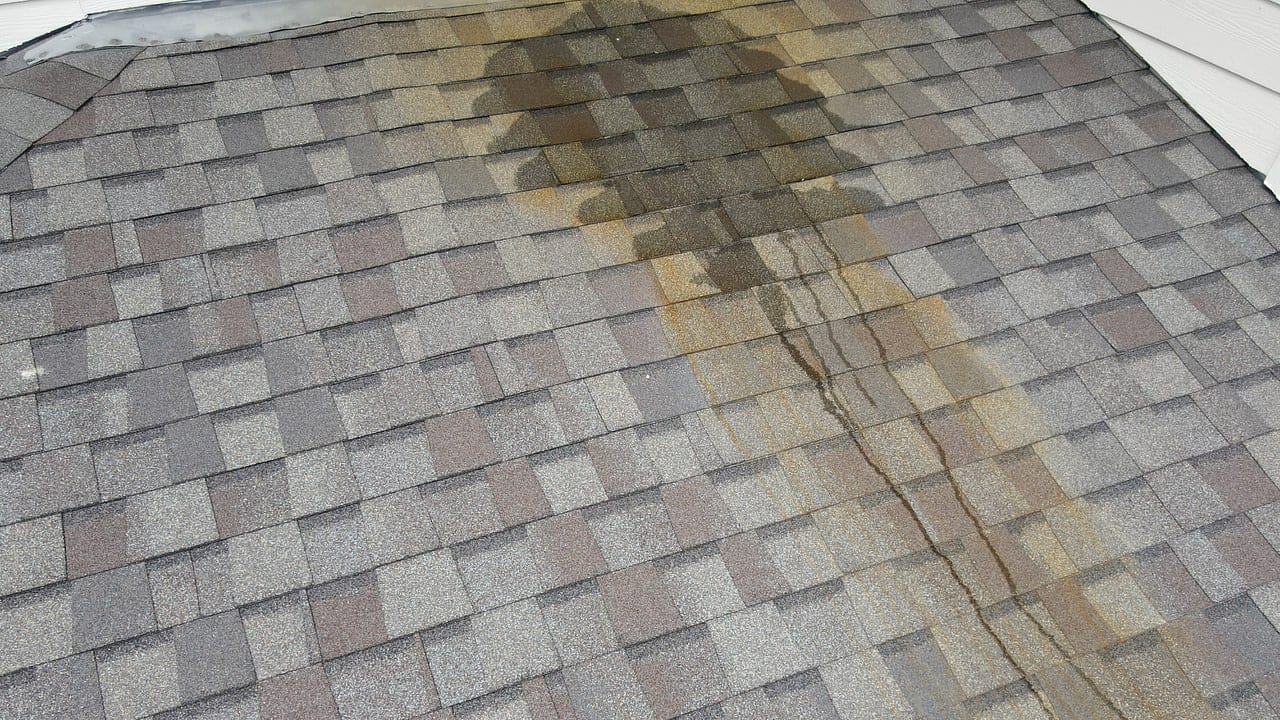
A leaking roof quickly destroys insulation, ceilings, and interior finishes. Review the roof inspection section for granular loss on architectural shingles, unsealed pipe boots, missing drip edges along eaves, and unsealed valley transitions. In the attic, verify whether your inspector noted missing baffle dams, radiant barrier tears, or ductwork condensation that fosters hidden mold colonies.
5. HVAC Heat Transfer, Delta-T Split & Condensate Drainage
In the punishing Texas summer, an air conditioning failure is a health hazard. Review the cooling section for the temperature differential (Delta-T) between return and supply plenums. A properly operating system should maintain a split between 15°F and 20°F. If the split is below 14°F, the system may suffer from low refrigerant charge, compressor valve wear, or restricted airflow across a fouled evaporator coil.
Need an Objective Forensic Property Inspection?
Residential Pre-Purchase, ASTM E2018 Commercial PCAs, Termite WDI, Sewer Camera Scopes, and FLIR Thermal Infrared diagnostics across Greater Houston, Galveston, and Brazoria.
