

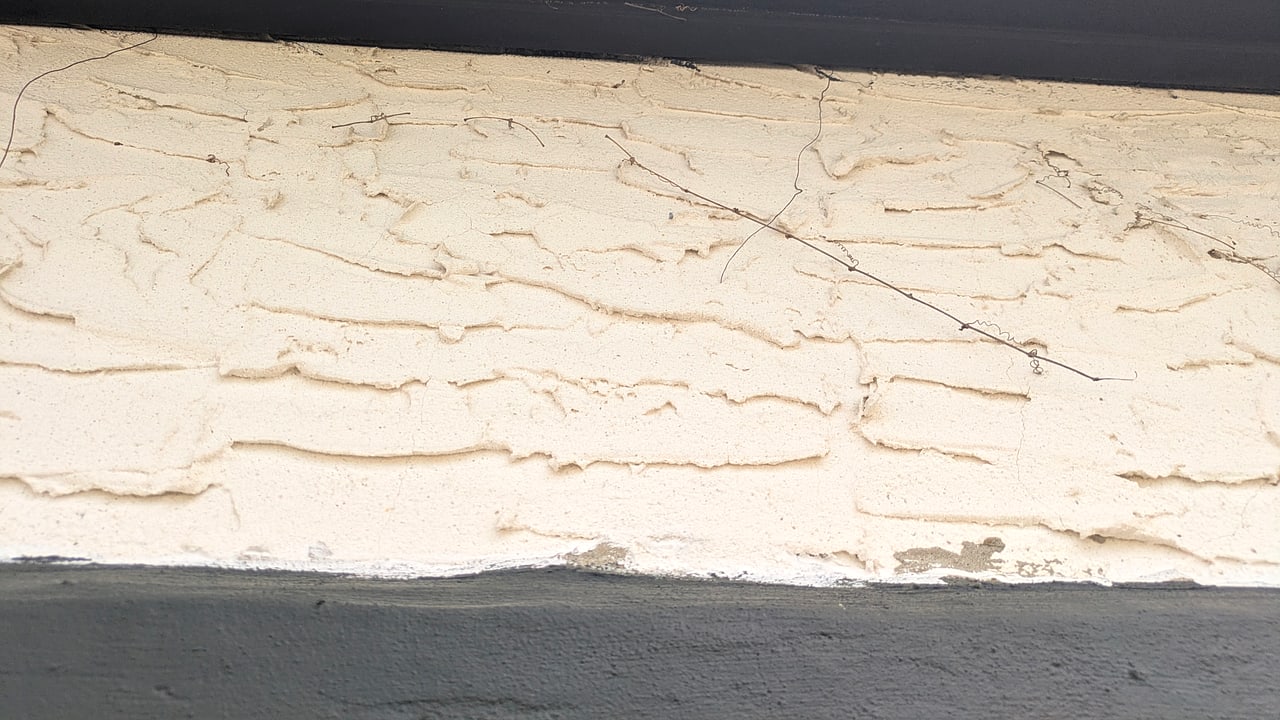
The structural integrity of a home is paramount. Issues with the foundation or supporting framework can be expensive and challenging to repair. During your home inspection, being aware of potential structural red flags is crucial for safeguarding your investment.
Here are some tips on how to spot structural problems during a home inspection
Observe Exterior Walls: Look for noticeable cracks in the foundation walls, brickwork, or siding. While hairline cracks can be common, larger or jagged cracks may indicate movement.
Check Interior Walls and Ceilings: Pay attention to cracks in drywall, especially around door and window frames. Also, look for walls that appear bowed or leaning.
Examine Floors: Walk through the house and feel for any significant sloping or unevenness in the floors.
Inspect Doors and Windows: Test how easily doors and windows open and close. Sticking or misaligned doors and windows can be a sign of structural shifting.
Look for Signs of Sagging: Check rooflines for any noticeable dips or sags. Inside, look at ceilings for sagging areas.
If you notice any of these structural red flags, be sure to discuss them with your home inspector. They will assess the severity of the issue and recommend further evaluation by a structural engineer if necessary.
Addressing structural problems early is essential for the long-term stability and safety of the home.
Trust Secured Inspections to thoroughly evaluate the structural integrity of your potential new home.
Schedule your detailed home inspection with us today. https://www.securedinspections.com/s/appointments
Houston Expansive Soil Mechanics: Beaumont & Lake Charles Clays
The foundation challenges of Greater Houston and the Texas coastal plain are rooted in geology. The region is dominated by smectite-rich expansive clay formations—specifically Beaumont and Lake Charles clay soils—which exhibit extraordinary plasticity indices (PI often exceeding 40). During dry Texas summers, these clays shrink dramatically, pulling away from concrete slab perimeters and undermining support. During torrential tropical rains, the soil swells with massive hydrostatic uplift pressure, heaving concrete slabs upward.
Diagnosing Structural Shear vs. Harmless Shrinkage Cracks
Almost every concrete foundation in Texas exhibits minor surface hairline cracks caused by initial concrete curing shrinkage. However, inspectors must identify signs of genuine structural distress:
- Diagonal Stair-Step Brick Cracking: Cracks traversing exterior masonry mortar joints wider than 1/4 inch, especially those shearing through solid bricks.
- Interior Drywall Header Tears: Diagonal shear fractures radiating from upper door and window casings toward the ceiling line.
- Out-of-Square Door Hinges: Interior doors sticking against jambs or swinging open automatically due to out-of-plumb wall framing.
- Exterior Frieze Board Separation: Trim boards pulling away from brick veneer at soffit corners, revealing differential lateral displacement.
Precision Altimetry: The ZipLevel Foundation Elevation Survey
Subjective visual observation is insufficient to evaluate foundation deflection. Secured Inspections utilizes ZipLevel® high-precision digital manometers to map floor elevation contours across 15 to 30 baseline reference points throughout the ground floor. This precision altimetry reveals upward heave, downward settlement, and planar tilt down to 0.1-inch increments, providing hard engineering data for warranty claims and price negotiations.
Need an Objective Forensic Property Inspection?
Residential Pre-Purchase, ASTM E2018 Commercial PCAs, Termite WDI, Sewer Camera Scopes, and FLIR Thermal Infrared diagnostics across Greater Houston, Galveston, and Brazoria.
