

Congratulations! You've reached the home inspection stage in your home-buying journey. This crucial step provides valuable insights into the property's condition, but it can also be a source of anxiety when the report reveals a list of repairs.
Don't worry! Many common inspection findings are minor and shouldn't deter you from purchasing your dream home. Let's explore some issues that often appear on inspection reports but might not be as significant as they seem.
Cosmetic Imperfections: More Bark Than Bite
While cosmetic issues like chipped paint, outdated fixtures, or worn carpeting might be visually unappealing, they rarely indicate serious underlying problems. These are often easy and relatively inexpensive fixes that can be addressed after you move in.
Loose Fixtures and Railings: A Quick Fix
Loose doorknobs, wobbly railings, or sticky windows might seem concerning, but they are usually minor repairs. In most cases, a simple tightening of screws or a bit of lubrication can resolve these issues without significant cost or effort.
Non-Functional Light Switches and Sockets: Don't Panic
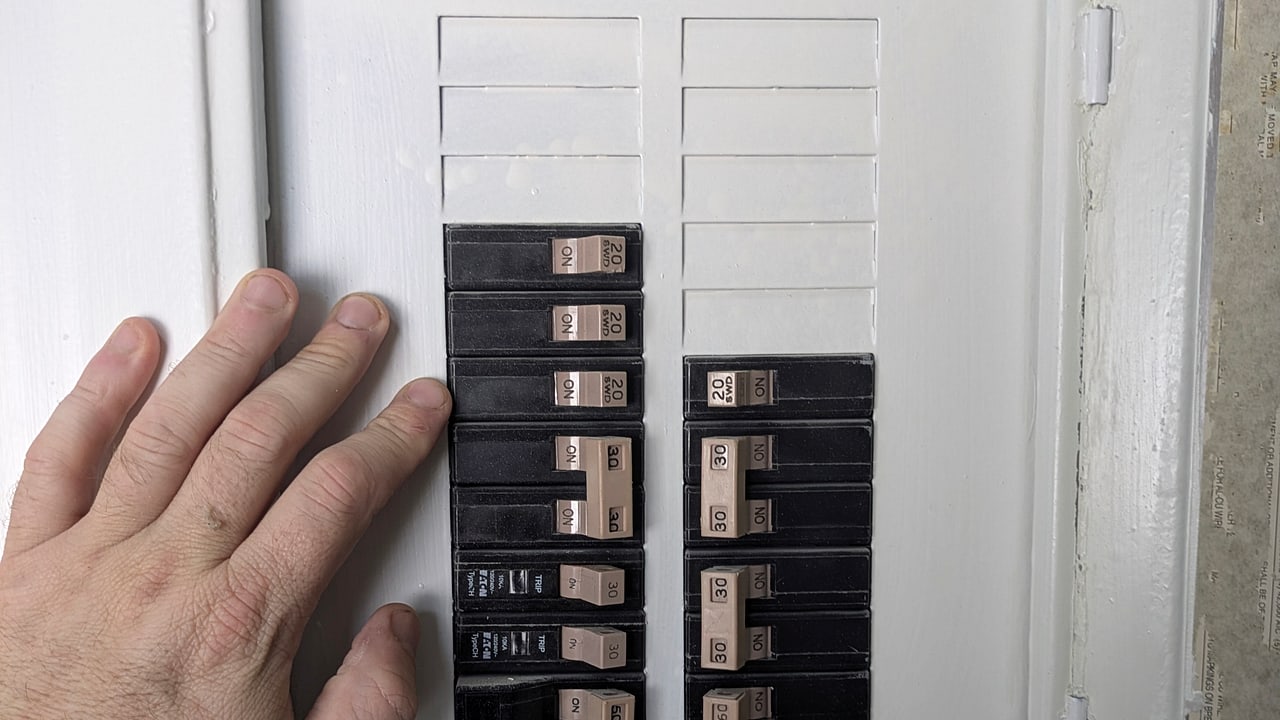
A non-functional light switch or a finicky electrical outlet might be a nuisance, but it doesn't necessarily signify a major electrical problem. Your inspector will thoroughly assess the electrical system and flag any serious concerns. If the issue is isolated to a single switch or outlet, it's likely a minor repair.
Minor Landscaping Quirks: No Need to Sweat the Small Stuff
While curb appeal is important, minor landscaping issues like overgrown shrubs, uneven walkways, or a patchy lawn shouldn't be deal-breakers. These are often aesthetic concerns that can be addressed gradually after you've moved in and settled into your new home.
Prioritizing Repairs: A Balanced Approach
While these minor issues might not be cause for immediate concern, it's still important to address them eventually. Here's how to prioritize repairs after your home inspection:
- Safety First: Address any safety hazards immediately, such as loose railings or faulty electrical outlets.
- Major Systems: Prioritize repairs to major systems like the roof, foundation, plumbing, or electrical, as these can have significant implications for the home's safety and value.
- Functionality: Focus on repairs that affect the functionality of the home, such as leaky faucets, sticking doors, or malfunctioning appliances.
- Cosmetic Issues: Address cosmetic imperfections last, as these are primarily aesthetic concerns.
Remember
- Consult with your inspector: If you have any questions or concerns about specific findings in your inspection report, don't hesitate to discuss them with your inspector. They can provide further clarification and guidance on prioritizing repairs.
- Negotiate with the seller: If there are significant repairs needed, you can use the inspection report to negotiate with the seller to have them addressed before closing or to request a credit to cover the cost of repairs.
- Plan for future maintenance: Use the inspection report as a guide for ongoing maintenance and upkeep to prevent future problems and protect your investment.
The 3-Tier Defect Prioritization Matrix
When you open a 50-page inspection report containing 35 individual findings, it is easy to become overwhelmed. The secret to effective post-inspection action is triage. At Secured Inspections, we categorize all findings into a structured 3-tier matrix:
- Tier 1: Immediate Life-Safety Hazards: Deficiencies that present an active risk of electrocution, fire, explosion, or physical injury. Examples include unbonded CSST gas piping, missing GFCI/AFCI protection, double-tapped breakers, active gas leaks, and missing stair handrails. These require immediate repair before occupancy.
- Tier 2: Major Structural & Mechanical Systems: High-cost functional deficiencies affecting the core asset. Examples include foundation deflection exceeding ASBI standards, failing AC compressors with low Delta-T splits, active roof leaks, and collapsed sewer lines. These form the basis of your contractual repair amendment requests.
- Tier 3: Deferred Maintenance & Cosmetic Items: Minor wear-and-tear items that do not compromise safety or structural integrity. Examples include missing door stops, cracked caulking around baseboards, dirty HVAC filters, and minor window screen tears. These should be addressed as part of regular homeowner maintenance.
Navigating the TREC REI 7-6 Statutory Classifications
Texas law requires licensed inspectors to utilize standard statutory checkmarks: Inspected (I), Not Inspected (NI), Not Present (NP), and Deficient (D). Understanding that a 'Deficient' mark simply means the item is not functioning properly, is hazardous, or is nearing the end of its useful life helps buyers approach negotiations with calm, evidence-based confidence.
Building Your 12-Month Home Maintenance Roadmap
Your inspection report is not just a negotiation tool; it is a permanent owner's manual for your property. By converting Tier 3 maintenance findings into a quarterly maintenance checklist, homeowners can systematically preserve their property value, prevent small leaks from becoming structural catastrophes, and optimize equipment energy efficiency.
Need an Objective Forensic Property Inspection?
Residential Pre-Purchase, ASTM E2018 Commercial PCAs, Termite WDI, Sewer Camera Scopes, and FLIR Thermal Infrared diagnostics across Greater Houston, Galveston, and Brazoria.
